
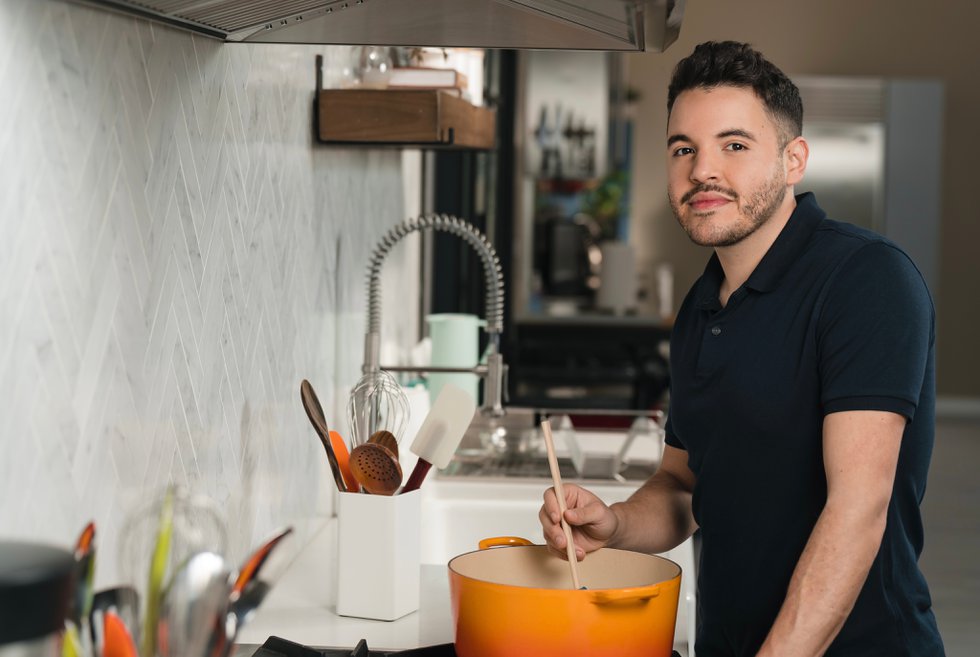
Anthony Randazzo
Chef Chris Valdes
By Kathleen Furore
A breakout performance on “Food Network Star” and appearances on popular television shows including “Good Morning America” have helped position Chef Chris Valdes as a respected voice representing the Latino culinary community.
As the current administration’s attack on immigrants rages on, el Restaurante asked this Cuban-American chef —celebrity caterer, philanthropist, and author of the cookbook One With the Kitchen — to explain how growing up in Miami’s Cuban food culture not only impacted his career path but also helps him weather the challenges today’s political climate brings.
#1 How did your own family's experience with immigration issues affect your decision to become a chef?
My family’s story is the foundation of who I am, not just as a chef, but as a person. I was raised in a Cuban household where food wasn’t just fuel, it was culture, comfort, and connection. But at the same time, I grew up with the reality of immigration issues. My birth mom was deported when I was just two years old, and that shaped a lot of my understanding of family, identity, and resilience.
Watching the way my stepmom, the woman who raised me and is my true mom, held our family together taught me strength, gratitude, and the importance of honoring where we come from. As ICE raids and immigration crackdowns continue affecting Hispanic communities, I feel an even deeper responsibility to celebrate our traditions through food. Becoming a chef was my way of preserving the flavors, stories, and warmth of my culture, especially for families who live with uncertainty. Food became the way I turned pain into purpose.
#2 What were some of the first positions you held in the restaurant industry — positions that made you think, "I want to continue pursuing a career in which food plays a major role"?
I started at the bottom washing dishes, prepping vegetables, doing anything I could just to be in the kitchen. Those first jobs taught me humility and hustle, but they also lit a fire in me. Even in the messiest, most chaotic moments, I felt at home. I knew food was going to be part of my life forever.
As I grew, I pushed myself into every role I could: line cook, banquet chef, catering work, anything that challenged me creatively. Eventually I realized I wanted to share more than recipes. I wanted to share culture, energy, and the joy food brings to people. That’s what led me to audition for “Food Network Star.” It wasn’t easy, but I showed up as myself, a kid from Miami with big flavors and bigger dreams. That opened the door to other national shows, and it taught me the power of being authentic and telling my story on screen.
#3 You recently took a break to focus on your mental health. How have you changed since coming back into the spotlight?
Taking a break for my mental health was one of the hardest and most important decisions I’ve ever made. I had been carrying a lot of personal losses, burnout, and emotional weight I never fully addressed. Stepping back allowed me to confront that and rebuild from a healthier place.
Coming back, I feel different in the best way. I’m more grounded, more intentional, and more protective of my peace. I approach my craft with more purpose now, not just to impress or stay busy, but to create work that feels meaningful. I’ve learned that success means nothing if you lose yourself in the process. Now I cook, create, and show up from a place of joy and purpose rather than pressure.
#4 Since chefs read el Restaurante, we have to talk about the kind of food you prepare. I know you're known for blending Latin and Caribbean flavors. Are most of your recipes based on recipes from your childhood?
Absolutely! So much of what I cook is rooted in childhood memories. I grew up in a Latin household where the kitchen was always full of aromas: sofrito, adobo, slow-braised meats, plantains, everything. Those flavors are my compass.
But what I love most is reimagining those classics. I honor the traditions I grew up with, but I also love giving them modern twists, whether that’s using new techniques, fusing Caribbean and Latin ingredients, or making beloved dishes more accessible for today’s home cooks. My food is really a love letter to my heritage, written in a modern voice.
#5 The industry is facing such a challenging time — economic concerns are being exacerbated by the raids impacting so many restaurants. Do you have any advice for restaurant owners, chefs and employees on how to weather this current storm — things you've learned from your own experiences?
This industry has always required resilience, but right now that resilience is being tested more than ever. Economic pressure, staffing issues, and the impact immigration raids are having on our community…it’s a lot.
My biggest advice is this: Lean into community. None of us can weather this alone. Support your staff. Advocate for them. Create a workplace where people feel safe, appreciated, and heard. Focus on culture first as that’s what keeps a business strong when everything else is uncertain.
Second, stay adaptable. During my toughest times whether personal or professional, the thing that kept me going was my willingness to pivot, to get creative, to reimagine what was possible.
And finally, prioritize mental health. Our industry glorifies burnout, but it’s not sustainable. Take care of yourself and your team. A healthy kitchen creates better food, better service, and better people.