
By Kathleen Furore
Stephanie Kelly Photography
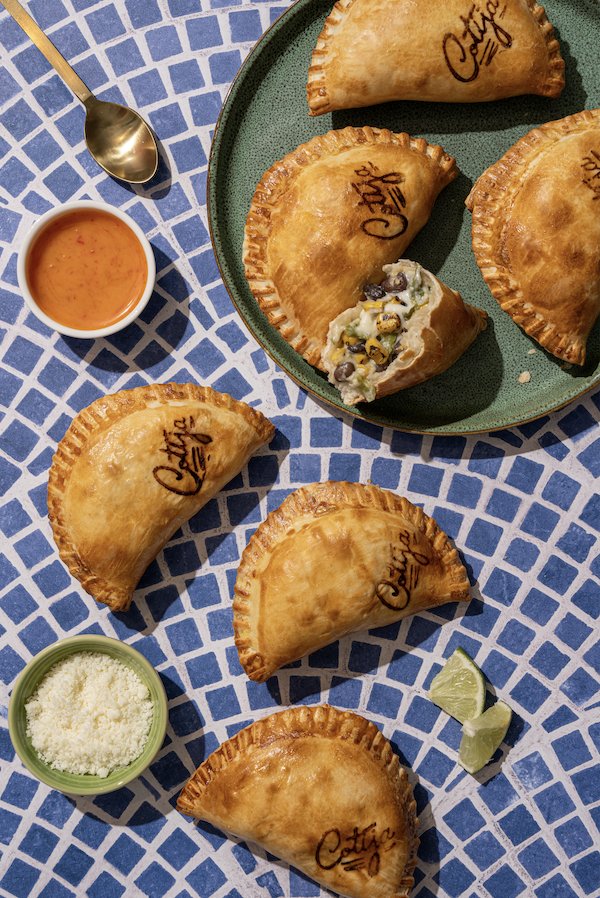
Roasted Corn & Cotija Empanadas at Maria Empanada in Denver
From fast casual locations to upscale dining destinations, empanadas are making their mark as chefs transform these hand-held pastries into filling-packed pockets that appeal to a diverse range of today’s diners.
“Empanadas in all their varieties” popped up in the Grubhub 2025 Delivered Trend Report as a key part of the “foodmaxxing” trend, which highlights food items’ “maximum nutritional value, functional payoff, and...aesthetic appeal.”
With seemingly endless options — differences come down to the dough, cooking method, shape, seasoning, and sauces, depending on the country of origin — it’s simple to see why.
Argentinian empanadas, for example, feature a wheat flour dough filled with beef picadillo, ham and cheese, or onion-heavy mixtures (sometimes accented with olive or egg) and are baked for a flaky finish. Mexican-style versions, made with corn masa or wheat flour and typically fried, center on chiles, slow-cooked meats, beans, cheese, and bright acidic sauces. Colombian empanadas swap in cornmeal dough, lean on potatoes and rice over meat, and are served with ají, information from New York City’s Empanada Mama explains.
It’s that plethora of preparations that make empanadas an ideal addition to most any menu.
“One of the most compelling things about the empanada is its versatility, which allows it to work across a wide range of restaurant formats and price points — from quick service and fast casual to family dining and even more elevated culinary concepts,” says Andrew Jaffe, CEO of Maria Empanada, a concept with five Denver area locations, including one at Denver International Airport. “At Maria Empanada, our empanadas are priced around $5.49 each, which allows guests to customize their experience based on both appetite and budget. Someone may enjoy one as a snack, while another guest may build a full meal by mixing multiple flavors and pairings. That flexibility is incredibly valuable in today’s environment where consumers are looking for both value and personalization.”
They also work any time of day.
“Empanadas naturally fit multiple dayparts and occasions. They work equally well for breakfast, lunch, dinner, and increasingly for snacking, which continues to be a major consumer behavior trend,” Jaffe adds. “That flexibility gives restaurants an opportunity to serve guests throughout the day in a format that feels both convenient and satisfying.”
Fun With Fillings
While traditional fillings will always bepart of the empanada story, they aren’t the only fillings flavoring empanadas today.
Case in point: the menu at Maria Empanada.
The Argentina empanada filled with steak, red bell pepper, green onions and green olives “remains one of our most popular, most authentic offerings. It really represents the heart of our brand and culinary heritage,” Jaffe says.
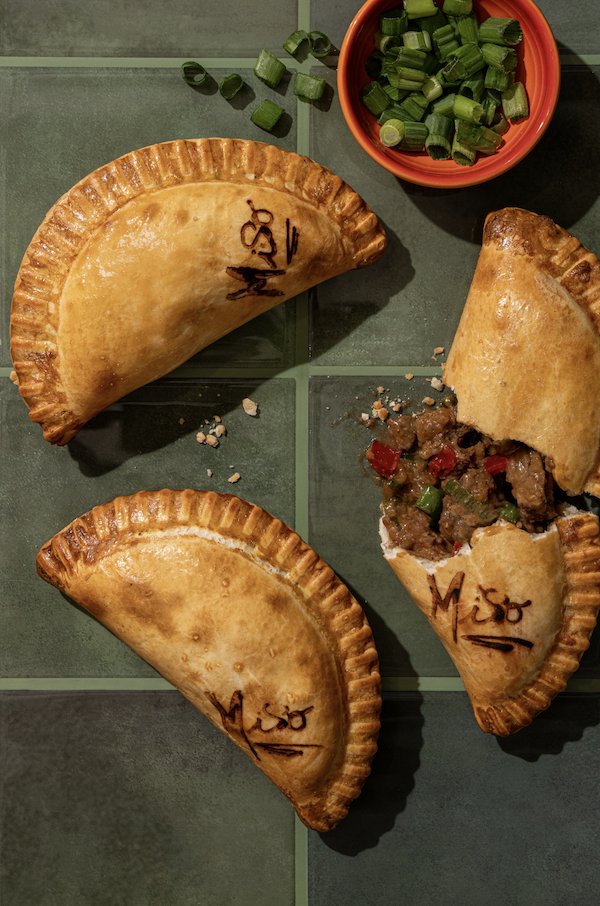
Miso Chili Crisp Steak Empanadas at Maria Empanada
But the menu offers so much more.
“We see the empanada as an incredible culinary canvas for creativity and innovation,” Jaffe says. “While our foundation will always be rooted in the tradition, craftsmanship, and authenticity of Argentine empanada-making, that same format gives us the opportunity to thoughtfully explore flavors and ingredients in a way that still feels true to who we are.”
Two recently introduced empanadas are examples of the global flavors and ingredients the company is exploring.
“The inspiration behind flavors like our Miso Chili Crisp Steak and Roasted Corn & Cotija empanadas came from a desire to honor that [Argentinian] tradition while also reflecting the way today’s guests eat and discover food,” Jaffe says.
Those guests, especially Gen Z — “one of the most ethnically diverse and globally connected generations — are actively seeking authentic global foods, cultural storytelling, and unexpected flavor combinations that still deliver comfort and familiarity,” he adds. “We believe the empanada is uniquely positioned to bring those experiences to life in an approachable, craveable way.”
Among the creative interpretations Jaffe says guests have embraced: the Italiana empanada with Italian pork sausage, mozzarella, tomato sauce, and onions, “creating something that feels both comforting and uniquely Maria Empanada;” the Chorizo breakfast empanada made with chorizo from Polidori Sausage combined with scrambled eggs, oven-roasted potatoes, cheddar jack cheese, and salsa; and the vegetarian Spinach empanada made with spinach, Parmesan cheese, a mozzarella blend, and béchamel cream sauce.
“What’s exciting is that each empanada offers something different, which encourages discovery and repeat visits as guests explore new flavors alongside their favorites,” Jaffe says.
What’s exciting for operators at all levels is that empanadas deliver many of the operational advantages that make quick-service and fast-casual dining successful. They offer “portability, speed, convenience, and ease of eating, but they do so with a far more crafted and elevated culinary experience,” Jaffe says.
“What really expands the ceiling for empanadas across different restaurant tiers is the ability to thought- fully curate premium ingredients, globally inspired flavors, and chef-driven recipes within the format. The empanada can be incredibly approachable and comforting, while also serving as a sophisticated culinary vehicle for creativity, craftsmanship, and high-quality ingredients.”
To see empanada recipes, click here.
Sidebar: Empanadas in the Windy City
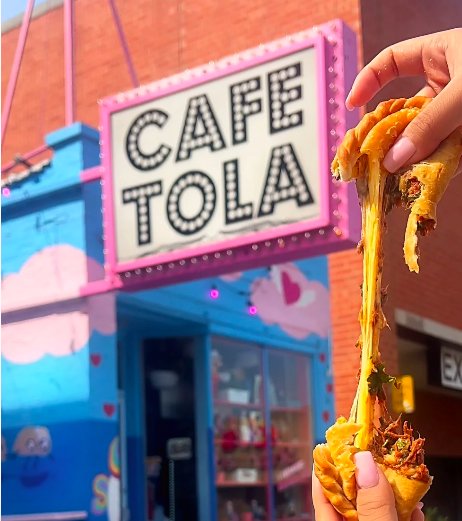
The empanada offerings in Chicago are as varied as the fillings that flavor these increasingly popular pies. Here are a few examples:
- Café Tola Mexican, Cuban, and American flavors inspire the 25 sweet and savory hand-rolled turnovers featured at this tiny, walk-up empanada outpost that opened in 2012 several blocks from Wrigley Field. Ropa vieja, birria, and apple pie are just a few of the fillings that have kept customers lining up for more than a decade no matter the weather — and they’ve helped owner chef/owner Victoria Salamanca expand the business with three more cafes plus the sit-down, full-service La Casa de Tola and Doña Tola .
- 5411 Empanadas Just a few blocks north of Café Tola, this small eat-in storefront with two Chicago locations offers baked, Argentinian style, gourmet empanadas. Flavors include Malbec beef (shredded Angus beef slow roasted in a red wine reduction with onions, carrots and rosemary); chorizo, patatas bravas & cheese; vegetarian sweet corn (whole kernel corn sautéed with diced onions mixed with house made béchamel sauce and mozzarella cheese); and vegetarian banana Nutella. The latest offering, perfect for summer: mini bite-size empanadas sold in packs of 12.
- Carnivale This upscale Latin restaurant offers a gourmet selection of empanadas that includes lamb with chickpeas, potatoes and thyme; beef with Cuban picadillo, roasted tomato, bell pepper and garlic; chicken tinga with chipotle, onion and roasted tomato; and corn with poblanos and Chihuahua cheese.
- Tanta This fine dining Peruvian restaurant’s empanada menu includes Empanada de Pollo (stewed chicken, aji amarillo, parmesan rocoto sauce); Empanada de Carne (beef tenderloin, raisins, onions, huacatay sauce); and Empanada de Tamalito (choclo, ají amarillo, cilantro, queso fresco, huancaina sauce).
FUN FACT
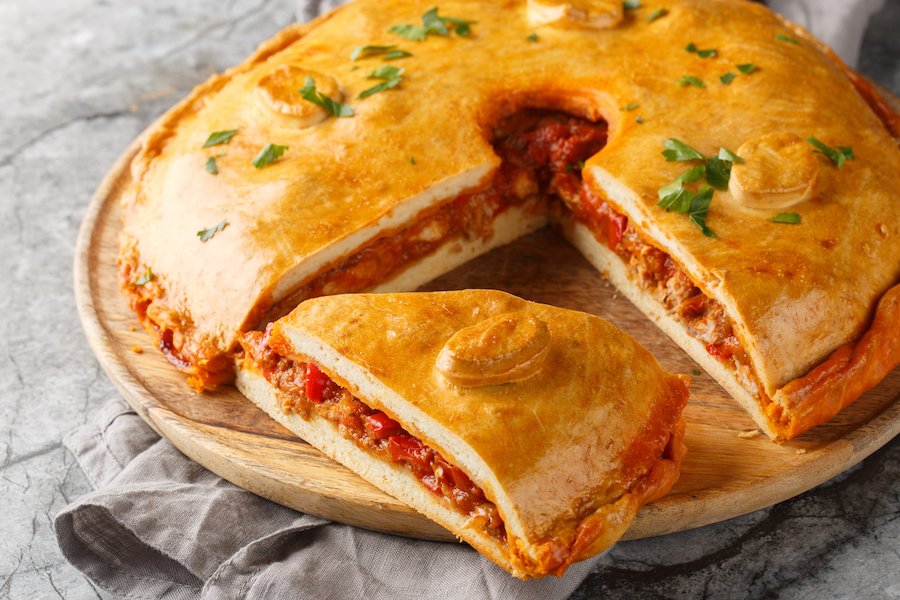
Empanadas did not originate as the hand-held pies typically made today. The original rendition — the Galician empanada, which hails from northern Spain — was a two- crusted pie baked in a round pie plate or rectangular dish.
“Once it landed on the shores of Latin America, the empanada shrank to its current handheld size and adapted to local climates, evolving with every incoming colonizer,” according to “Empanadas: A Journey from Galicia and All Around Latin America” at culinarycam.com.
Click here to go to the next article, Chill Out to Cash In: Frozen Cocktails Buoy Bar Revenue