
By Kathleen Furore
High-protein ingredients. Dishes that pair heat and spice. Rich, diverse global flavors. These aren’t just passing fads; they’re what today’s diners are actively seeking. How can chefs at Mexican and Latin restaurants deliver the kind of dining experience today’s customers demand?
Chefs have three key opportunities to ensure their menus align with consumer trends, according to Katie Cameron, Director, US Foodservice Business Development for Real California Milk. And they can rely on Hispanic-style cheeses, yogurt, and other high-quality ingredients from California’s industry-leading supply of dairy products as the foundation for culinary creativity that will bring value to every plate.
Opportunity #1: Leverage the Push for Protein Trend
Driven by GLP-1 medications, revised dietary guidelines that nearly double the recommended daily protein intake, and social media’s influence, protein has become the center of culinary conversations, making a selection of high-protein options a must on restaurant menus.
The good news is that the push for protein is a competitive plus for Mexican and Latin restaurants.
“Mexican and Latin cuisine is perfectly positioned to capitalize on today’s protein trend because dairy has always been at the heart of the menu,” Cameron says. “Queso fundido, enchiladas con crema, chiles rellenos, horchata made with real whole milk — these dishes have always delivered the protein guests are now actively seeking. A simple menu callout like ‘made with Real California cheese’ gives operators a quality story and a protein story in one ingredient.”
California dairy ingredients make protein-packed menus easy to execute. Milk, cheese, and yogurt each deliver 7 to 17 grams of protein per serving, making them versatile, cost-effective tools for building protein-forward dishes across every daypart — from a Cal-Mex Breakfast Crumble for brunch to a Huarache y “Beeria” pizza at dinner.
Leaning into protein also can directly impact the bottom line.
“Centering menu items around a strong protein story creates natural opportunities for add-ons, upgrades, and premiumization, diversifying revenue beyond traditional meat-centric proteins like chicken,” Cameron adds.
Operators looking to explore the full opportunity can visit Real California Milk's dedicated protein resource page for culinary inspiration and menu-building tips tailored specifically for foodservice professionals.
Opportunity #2: Pair Heat + Spice with Dairy
Consumers have spoken, and the verdict is clear: spicy dishes have never been hotter.
Datassential’s “Spicy Food Trends 2025” report reveals that 65% of Americans either love or like spicy food, with 34% in the “love it” category; that 95.3% of restaurant menus now feature spicy food options (up from 91.6% in 2015); and that 96.3% of menus will feature spicy items by 2029.
“Current data suggests spicy food trends represent fundamental shifts rather than passing fads,” the report says. “Restaurant operators ignoring spicy food trends risk missing significant consumer demand as diners increasingly prioritize bold, spicy food experiences.”
Dairy is the secret weapon that allows Mexican and Latin restaurants to make spicy dishes approachable — even for customers who might be wary of the heat.
The pairing isn’t just a culinary tradition: it’s chemistry. Cow’s milk contains casein, a protein that actively binds to capsaicin (the compound that gives chiles their heat), and helps neutralize it in a way other beverages can’t.
“There’s a reason crema has been drizzled over spicy dishes in Mexican kitchens for generations. It works — and the science backs up what cooks have always known instinctively,” Cameron says. “For operators, that’s a genuine menu advantage: a well-placed descriptor like ‘finished with Real California crema’ tells guests the dish is bold but balanced.”
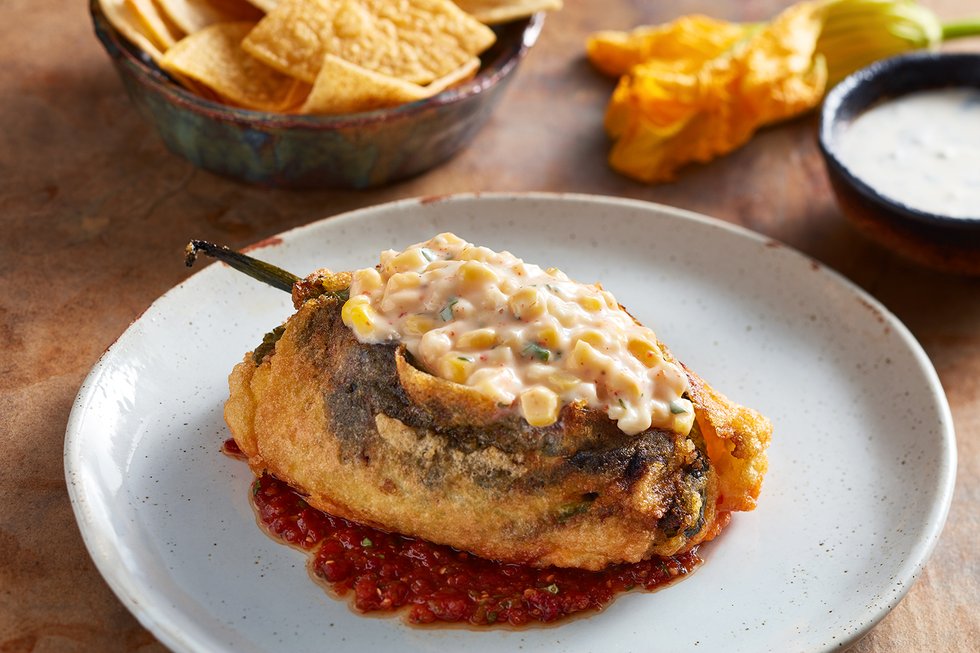
California Queso Fresco Elote Chile Rellenos and El Pollo Borracho are two dishes that show how dairy products control heat while letting flavor shine through.
"California Dairy: The Perfect Foil for Hot and Spicy Foods" offers a deep dive on ways chefs are using dairy to master the heat-balance equation in their kitchens.
Opportunity #3: Showcase Global Flavors
Today’s diners are embracing regional dishes, authentic ingredients, and stories behind what’s on their plate. According to “Global Flavor Trends 2026” from Innova Insights, 51% of global consumers are seeking cuisines from other countries.
For Mexican and Latin restaurant operators, this cultural curiosity represents a significant opportunity. From the mole negro of Oaxaca to the seafood-driven cuisine of Baja California to the bold chiles of Veracruz, there is a world of storytelling built right into the menu.
“Guests today want a story with their food, and Mexican and Latin cuisine has an enormous advantage because of the regional diversity within the cuisine itself,” Cameron says. “Operators who lean into that specificity — naming the region, telling the story, sourcing quality ingredients — are giving curious diners exactly what they’re looking for.”
California’s 25+ varieties of Hispanic-style cheeses offer a relatively low-cost and high-quality way to bring that authenticity to life. The inventory lets chefs honor traditional preparations, craft innovative and signature dishes, develop limited-time offerings, and experiment with emerging culinary trends.
“For operators looking to push the concept further, Cal-Mex cuisine offers an inspired framework — one that blends the regional traditions of Mexico with the fresh, seasonal ingredients California is known for, all anchored by Real California dairy products,” Cameron adds.
Cheesy Cal-Mex Spinach and Artichoke Enchiladas is just one example of a dish that can be elevated with quality, locally sourced ingredients that tell a distinctly Californian story.
Chefs and operators can explore the full range of possibilities dairy delivers — everything from product sourcing to recipe development — on Real California Milk’s foodservice website, in the Hispanic cheese resources, in its Latin recipe library, and in the award-winning Cal-Mex Invitational recipe book.