
By Natalia Otero
In the life of a restaurant, there are stories that simmer in the kitchen and others that unfold quietly, amid decisions, unexpected events, and the constant reading of the customer. At Huapanguero, that balance has a name: its manager and partner, who has gone from being a server to leading the project.
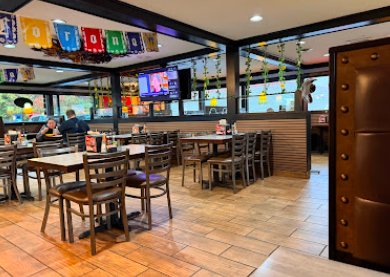
Huapanguero, located in Rochester, Pennsylvania, opened its doors on July 22, 2025. It was born from a vision shared with José Juan López, Luis Carrizal, and Sergio Barrera—who also own other restaurants such as Río Grande and El Maya. However, this new space does not seek to replicate, but rather to reinterpret, granting creative and adaptive freedom based on customer demand.
“The name Huapanguero comes from the fact that we’re from a part of Mexico where huapango music is played. You could sum it up as a cheerful person—someone who loves to party and loves to dance,” says manager Jordan Acosta Saucedo.
One Foundation, Multiple Identities
In an industry where standardization and franchising are often synonymous with success, Huapanguero takes the opposite approach: a common foundation with creative freedom.
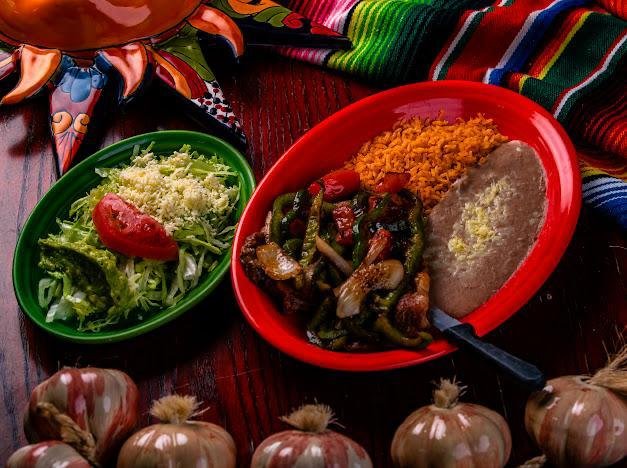
“The foundation is the same, but the dishes and drinks at each location are different. With a unique twist that depends on the touch each chef brings to the dishes, and the adaptation required based on customer demand,” explains Acosta.
Far from the rigidity of a franchise, the model allows each restaurant to evolve according to its context. “The biggest advantage is that here you can make different changes without the other restaurants having to do so; that gives you the freedom to adapt as the situation arises with the customer.”
The chefs, hailing from different places—such as Hidalgo—bring their own interpretation. “It is the same menu at its core, but everyone adds their own touch.” Thus, familiar dishes like enchiladas, burritos, or fajitas take on unique nuances depending on the hand that prepares them.
Listening to the Customer: The True Recipe
Beyond the kitchen, the heart of the business lies with the customer.
“More than anything, we try to ask the customer, to provide good service,” explains Acosta.
At Huapanguero, the menu isn’t a rigid structure, but an open conversation. “If we can, we’ll make it… that’s the foundation of the restaurant; the customer is the most important thing.”
This philosophy translates into flexibility: adapting dishes, responding to off-menu requests, and even anticipating trends. “When 10 people ask you the same thing, that’s when you say: okay, let’s focus on this.”
This is how decisions are made at Huapanguero, such as the development of a specialized mojito menu, the inclusion of vegetarian options, or American desserts like cheesecake adapted with Mexican fried tortillas.
“Giving customers the confidence and joy to come back, so they leave with a good impression, feel heard, and then return,” says Acosta, emphasizing that this is what matters most to him as a manager.
The Manager’s Role: Resolve, Sustain, and Move Forward
Behind that seamless experience lies a much more complex reality. For Acosta, the leap from server to manager involved a profound transformation.
Today, Acosta’s role demands anticipating problems, making quick decisions, and maintaining operational balance. From technical glitches to extreme weather conditions: “From the air conditioner breaking down… I’ve had to step into the kitchen and serve tables for a while.”
The key, he insists, isn’t speed but calmness. When you’re calm, you can see things clearly without rushing to fix something immediately, since you risk creating a new problem.
“The key to solving problems is calmness, thinking with a cool head. And you learn from making mistakes,” says Acosta.
Alcohol: The Decisive Factor
If there’s one lesson this team learned from the start, it’s the importance of the cocktail menu to the restaurant’s success. As the manager says: “Opening a Mexican restaurant without alcohol is a huge mistake.” During the first few months, the lack of a liquor license directly impacted the business.
The arrival of the license, finally obtained in late January, marked a turning point. That stands to reason, because for the American public, the Mexican restaurant experience is deeply tied to drinking: “American customers look for margaritas and beer; pairing food with alcoholic beverages is what they seek most.”
For that reason, Acosta advises other new restaurant owners to do their research on liquor licenses. One must understand how the process works, how long it takes, and the steps involved, so that there are no prolonged delays in obtaining the license and the process is smoother.
The Balance Between Control and Growth
Adapting to the customer is one of the pillars. In the case of Huapanguero, adapting Mexican food to the tastes of customers in Pennsylvania is an aspect that is taken very seriously.
According to Acosta, “it’s adapted to the city and the country you’re in so that people here can enjoy it. Here, customers prefer everything spicier and look for quesabirrias and a variety of tacos, unlike our restaurants in Maryland.”
From adding more cheese to reinterpreting traditional desserts, the goal isn’t to replicate Mexico, but to engage with the local context.
As the business grows, so does the need for structure: multiple suppliers, cost control, and strategic planning. Since the Trump administration, as he explains, ingredient prices have fluctuated weekly.
That’s why he recommends having more than two suppliers per ingredient to compare prices. In a changing economic environment, stability depends on the ability to anticipate. “One week a crate of tomatoes costs $18, and the next it’s $45.”
But beyond the numbers, growth is measured in loyalty. “We have many customers we see two or three times a week,” Acosta says.
Huapanguero isn’t just a Mexican restaurant. It’s a space where management, intuition, and warmth create a vibrant experience. In the words of its manager, it all comes down to the essentials:
“The most important thing is the customer… we always try to give them the best.”