By Alfredo Espinola
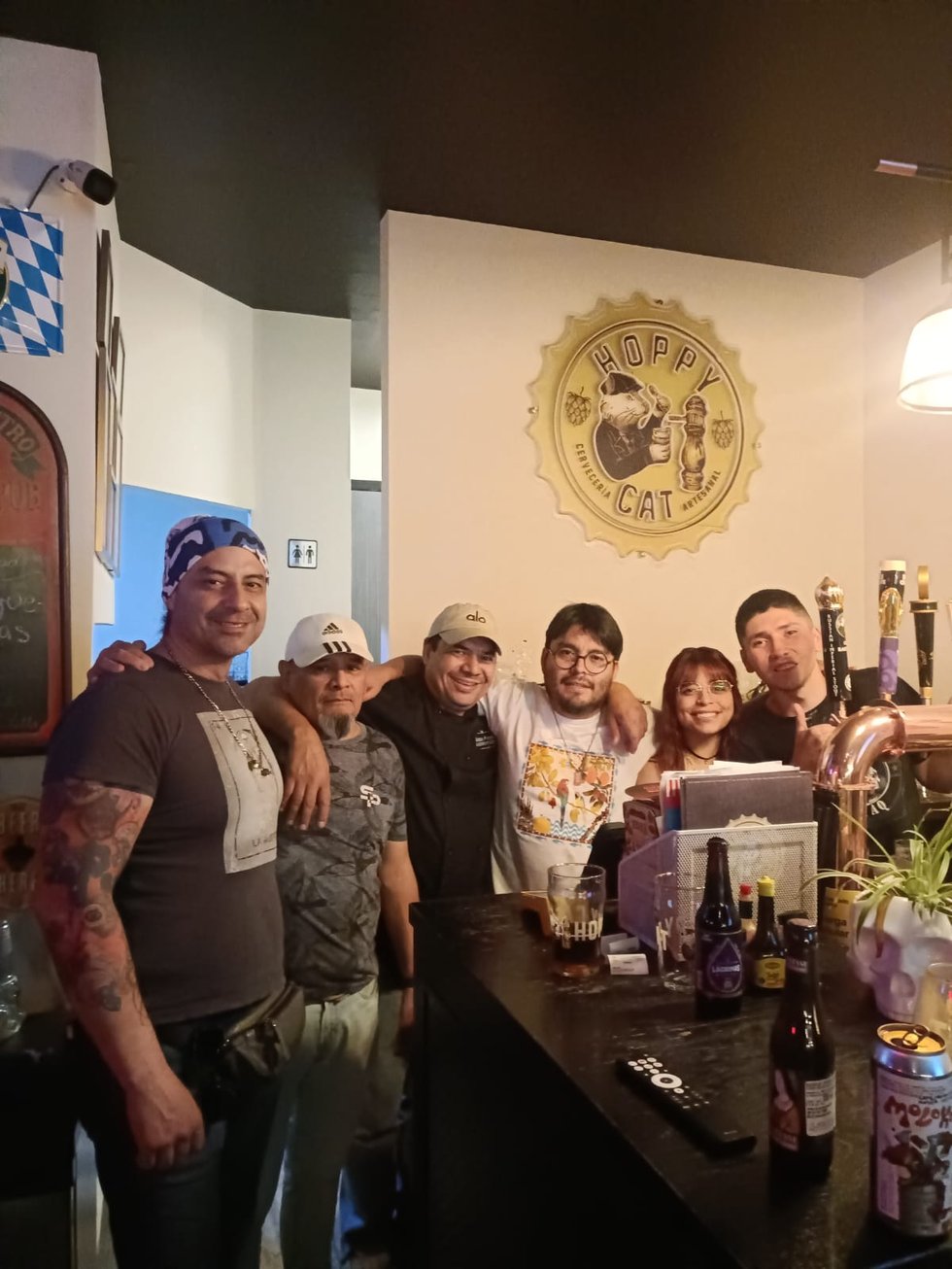
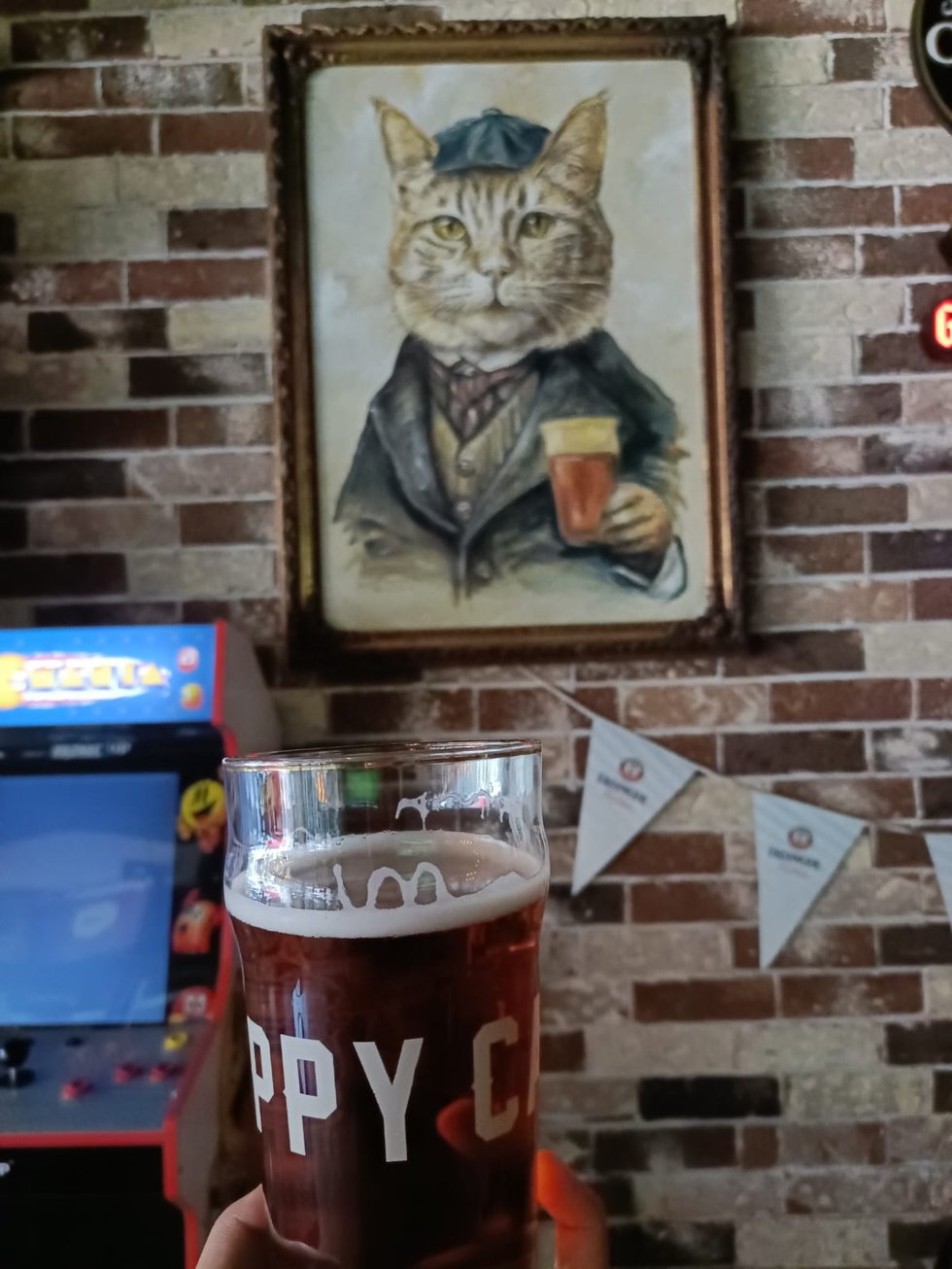
Jorge Vázquez, founder of Hoppi Cat in Mexico City, says his restaurant was born out of a passion for beer and fermented beverages. It is a space where food and drink must reach perfection, and where every detail is designed to offer a complete experience. The name comes from hops, an essential ingredient that provides bitterness, preservation, and aroma; and from the cat, a symbol of independence and freedom.
“You can’t imagine a cat fetching a bone 500 times like a dog,” recalls Vázquez, quoting his mentor José Sabina, a Mexican musician. “The cat does its own thing, takes over the house as if it were its own. They are superior beings. That’s what I wanted: a free concept, without depending on anyone,” he reflects.
The idea arose from a passion for craft beer. Vázquez attended festivals, talked with brewers, and sampled different styles: IPA (India Pale Ale), stout, porter, barley wine. “Anyone who starts a business should do so in what they love,” Vázquez affirms.
That’s how Hoppi Cat was born seven years ago, just before the pandemic—a time when, far from being an obstacle, the lockdown boosted the business: “People were looking for beer to take home, and Hoppi Cat became a haven for beer lovers.”
Adapting to the Market
Mexico is a beer-loving country with major brands and a growing craft scene. Jorge acknowledges that young people consume less alcohol than previous generations, but Hoppi Cat has adapted: it offers non-alcoholic beers, lemonades, orangeades, and a family-friendly atmosphere.
“The trend is low, but it exists. You have to have options for everyone,” he explains.
In general, the menu includes IPAs, porters, barley wine, and even non-alcoholic mead.
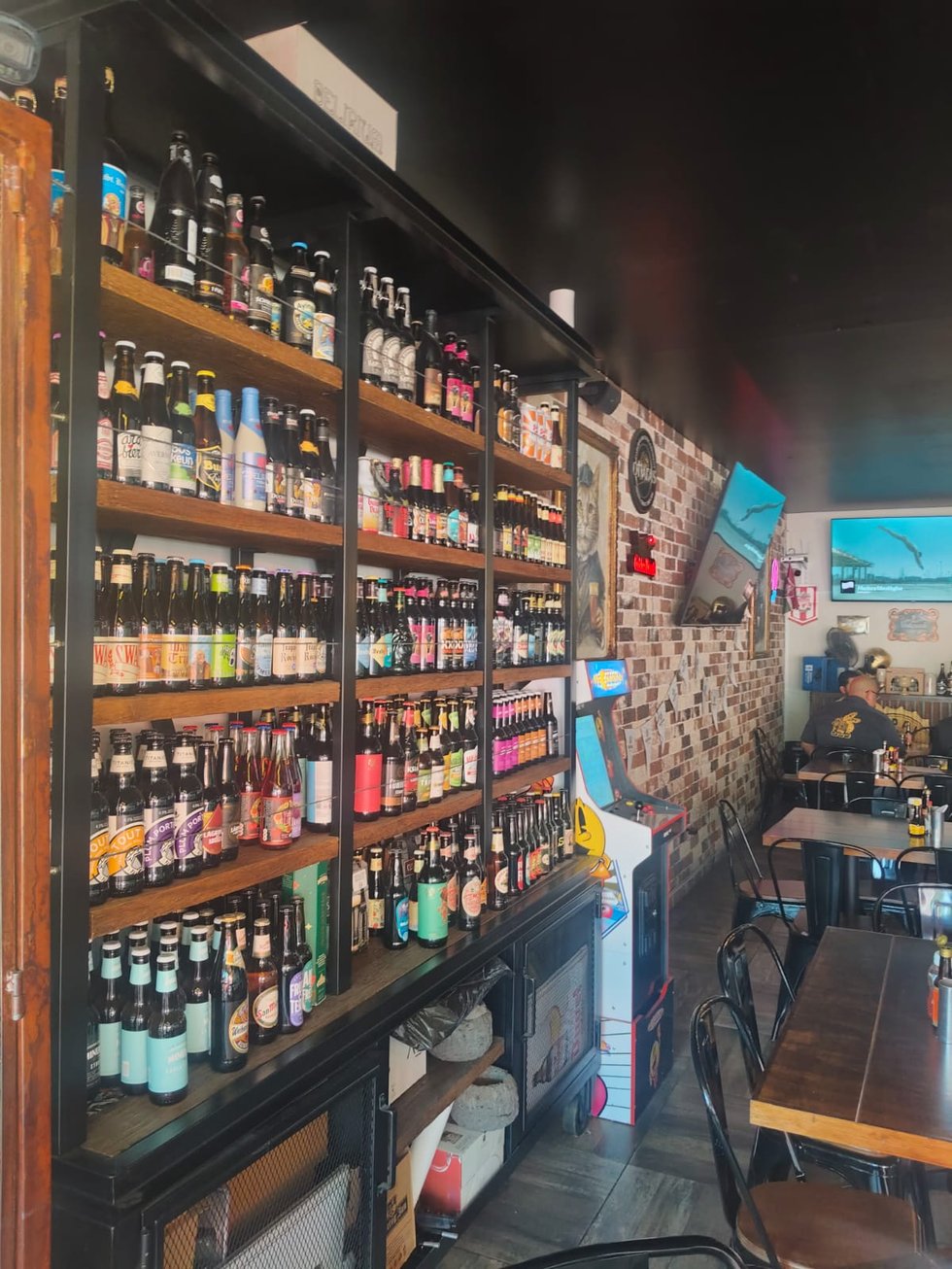
Hoppi Cat offers 350 beers
Suppliers and Variety
Mexico’s Ministry of Economy reports that whether dark or light, beer made in Mexico can be found around the world. Currently, out of a list of 125 countries, Mexico ranks 7th globally as a producer, first as an exporter, and 15th as an importer of beer.
In Latin America, Mexico is the third-largest consumer of this beverage, with a per capita consumption of 60 liters of beer per year.
For Vázquez, Mexico’s rich beer scene makes it easier to work with local producers and importers. Hoppi Cat currently collaborates with brands such as Hércules, Nómada, Craft Galaxy, and Perdomo. The result: more than 350 different labels that rotate weekly, ensuring that every visit is unique.
Cuisine with Character
In addition to beer, Hoppi Cat offers Argentine cuisine: pizzas, beef and mushroom empanadas, choripanes, salads, and soon, steak cuts. Vázquez chose Argentine because he feels it pairs well with beer.
The experience is complemented by curated music, attentive service, and a relaxed atmosphere. “Everything must be impeccable: the food, the beer, the service, even the restroom,” says Vázquez.
The Future of Hoppi Cat
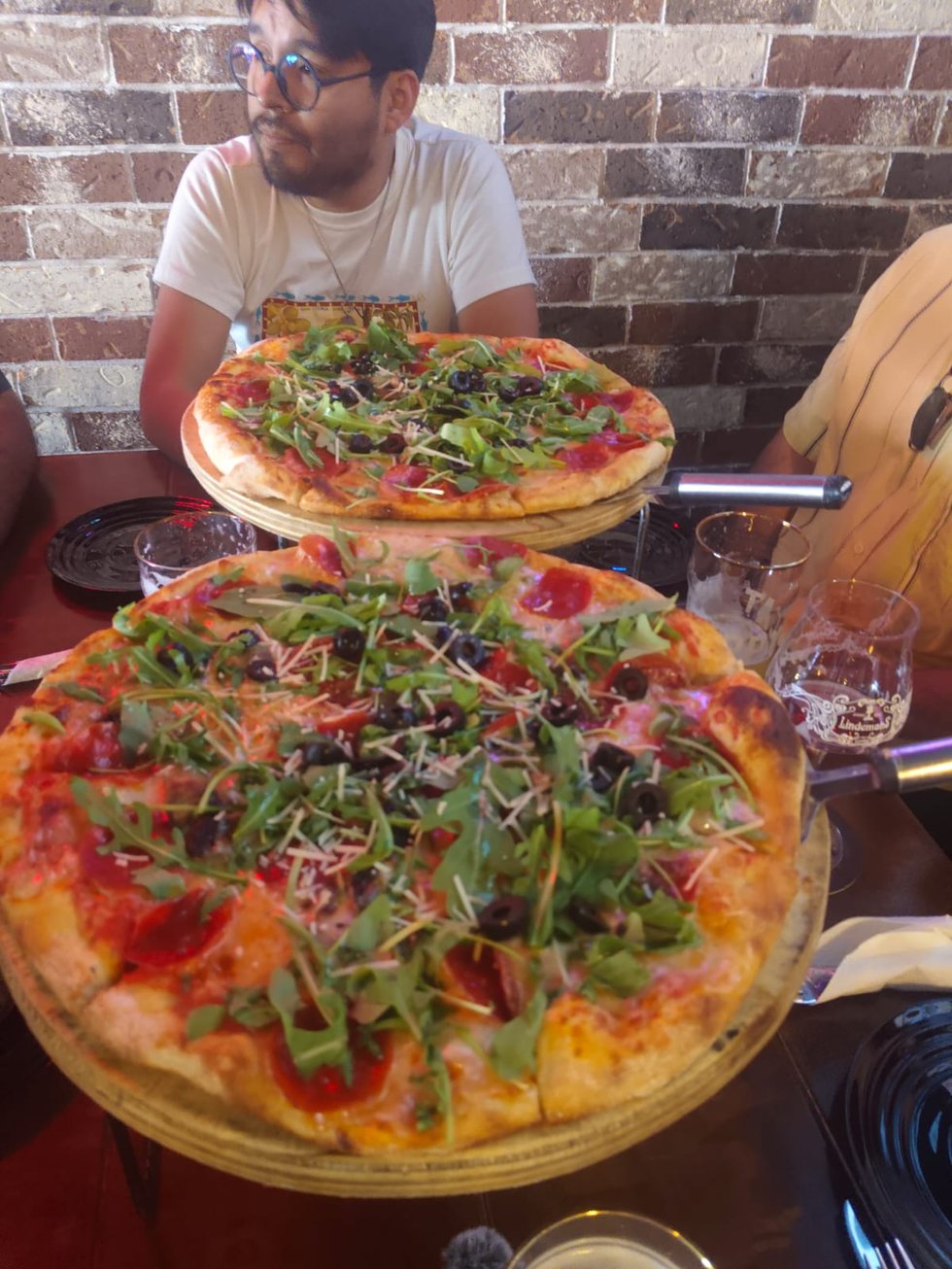
Pizza is popular at Hoppi Cat and complements the beer well
The plan is to grow. The first branch will open in San Miguel de Allende, with the goal of turning Hoppi Cat into a franchise that preserves its quality and original essence.
“We want to have a presence in several states, always staying true to the concept,” says Vázquez.
The Resurgence of Mead
One of Hoppi Cat’s cornerstones is mead, an ancient beverage made with water, honey, and yeast. More and more customers are ordering it, and Vázquez plans to dedicate a separate refrigerator to this specialty.
Additionally, they’re exploring its use in baking and mixology, taking advantage of the herbal, spicy, and fruity notes that make it versatile. “It’s a huge area of opportunity,” he says.
An Open Invitation
Hoppi Cat is a safe, family-friendly place where women, men, young people, and children come together in an atmosphere of respect and quality. “Try the pizzas, empanadas, salads, and, of course, the beer. You’ll always find something different here,” he recommends.
Because beyond the beer or the food, that’s what Hoppi Cat is: a space where independence is served in a glass, but lived in every detail, concludes Jorge.