
Haz clic aquí para leer esto en español
By Joy Pouros
Food safety is a priority for responsible restaurant owners. And considering how prevalent food allergies have become, understanding best practices for accommodating customers with food allergies and other dietary restrictions is a big piece of that safety puzzle.
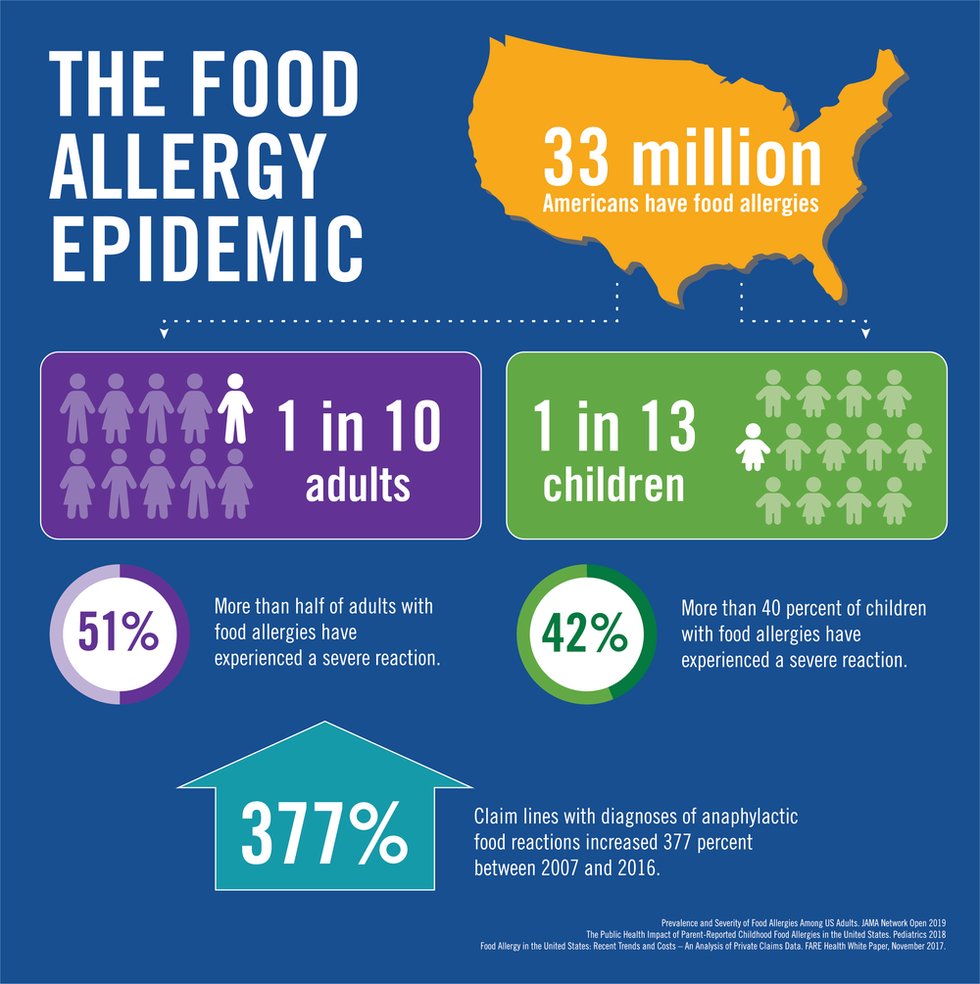
According to information from Food Allergy Research & Education (FARE), 33 million Americans have food allergies, and 51 percent of adults and 42 percent of children who have them have experienced a severe reaction after eating something they’re allergic to.
Symptoms of food allergies can include hives, itching, swelling, trouble breathing — and in severe cases like anaphylaxis, they can be life threatening. Since most fatal reactions are caused by food consumed outside the home (one in three people with food allergies report having had a reaction in a restaurant, information from the CDC says), restaurateurs should make sure to do everything they can to optimize the food safety procedures practiced in their establishments. Here are several tips:
- Review food safety/allergen training materials and procedures regularly with all employees. This should include information about best practices from organizations such as The National Restaurant Association Education Foundation’s ServSafe Allergens course, as well as information about relevant laws related to food safety.
- Audit what is happening in the kitchen. This can highlight problems, lapses or misunderstandings that might be putting your customers at risk, allowing you to train/retrain as needed.
- Prevent cross contamination. This is critical for people with food allergies. Having dedicated prep space for food containing major allergens and using color coded utensils, cutting boards, and equipment are two ways restaurants can avoid cross contamination.
- Thoroughly clean surfaces, equipment, and utensils after each use. Give extra care when switching from a dish containing allergens to a dish without. What you clean with is as important as how often you clean; using the same sponge on contaminated surfaces and then on the supposedly safe surfaces can leave trace amounts of allergens behind.
- Identify all allergens across your menu. Technology is making this challenging task more manageable. Many software programs have an allergen management feature that can track ingredients and recipes, making it easy to know and communicate exactly what is in each dish. Some software also can track suppliers and lot numbers, assisting in recalls.
- Consider labeling menus with allergen information. This helps consumers make informed choices.
- Make sure staff can answer common questions about allergens and food prep accurately. While food allergies can be life threatening, there also are food intolerances and other dietary restrictions that may not be life-threatening but can still make an individual ill. That’s why it’s important for employees to be able to respond quickly and accurately when a concerned customer asks questions related to ingredients in dishes they’re ordering (and to make sure they know how to get an answer if they don’t know it offhand).
All the best practices in the world won’t make a difference if diners don’t feel confident in your ability to meet their needs. Just like even a one-time bout of food poisoning can leave a lasting impression, so can a mix-up with a food allergy. Beyond the Yelp or Google reviews, people with food allergies have several apps where they rate restaurants specifically based on food safety.
The bottom line is that food allergies are a reality of the food industry, and lapses in judgment or deficiencies in processes can be deadly. With proper training and procedures, dietary restrictions don’t have to be scary for owners or consumers. A combination of food safety best practices, integrated technology, and communication makes it easy to provide a safe dining experience for as many consumers as possible.
SIDEBAR: Common Allergens Found in Mexican/Latin Kitchens
Studies published in 2018 and 2019 estimate the U.S. population that reports convincing symptoms of allergic reactions to this list of specific foods — many that are regularly used in in Mexican/Latin restaurant kitchens. The National Restaurant Association offers a free food allergen poster, available in English and Spanish.
- Shellfish: 8.2 million
- Milk: 6.1 million
- Peanut: 6.1 million
- Treenuts: 3.9 million
- Egg: 2.6 million
- Finfish: 2.6 million
- Wheat: 2.4 million
- Soy: 1.9 million
- Sesame: 0.7 million
Joy Pouros works as the authority writer in the Training department at Culinary Software Services, where she writes on topics as diverse as human resource issues to increasing profits.
Don't miss a thing! Subscribe to el Restaurante's digital publications for free by clicking here.