
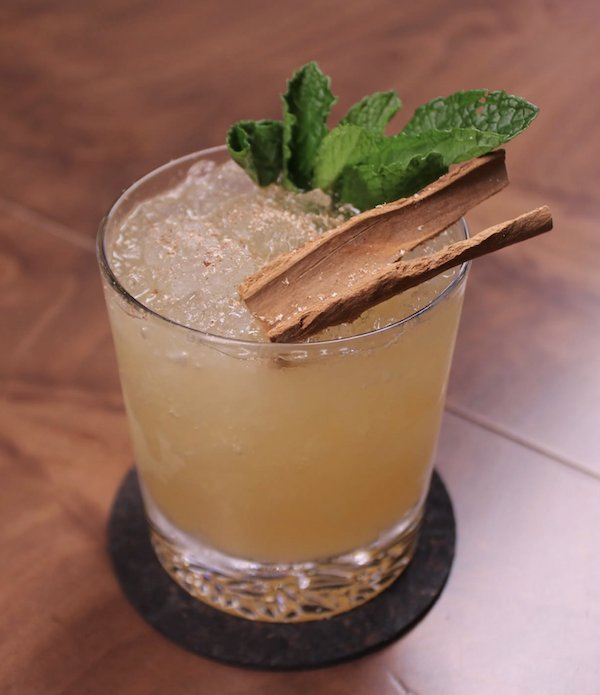
Jalisco's Treasure cocktail at Cantina Rosa in Chicago
By Alfredo Espinola
Authenticity is the one of the most coveted “ingredients” behind the bar — and Mexico has no shortage of options when it comes to ingredients that bring centuries of liquid tradition to bar menus. Beyond tequila and mezcal, two that are having their moment: raicilla and tepache. On paper, they could not differ more. Raicilla comes from fire, agave, and distillation, tepache from ripe fruit and wild fermentation. But both give bartenders room to experiment and the opportunity to introduce diners to interesting new flavors.
Raicilla: The Wild Spirit of Jalisco
For more than four centuries, raicilla survived in secrecy. Its production, safeguarded by generations of master distillers, became an act of resistance against the taxes imposed by the Spanish Crown. That history of discretion and persistence shaped the character of a spirit that today holds a privileged place in the international conversation about great artisanal spirits.
Raicilla was granted its official Denomination of Origin status within Mexico in 2019, restricting production to 16 municipalities in Jalisco and Bahía de Banderas, Nayarit. While the spirit shares some methods of production with tequila and mezcal, its character does not depend on distillation alone; the agaves, soils, altitude, and climate from two distinct regions define the personality of each bottle. On the coast, Angustifolia and rhodacantha agaves impart mineral and salty flavor profiles shaped by the ocean; in the mountains, Maximiliana, inaequidens, and valenciana agaves bring fresh herbal, citrus, and fruity flavors.
Raicilla production happens in three steps:
Cooking: Master raicilleros harvest the agave heart (the piña) and cook it slowly for three to four days. In coastal regions, producers use underground volcanic-rock ovens, while mountain producers commonly use masonry ovens fired with oak. Cooking turns starches into fermentable sugars and adds flavors that later appear in the distillate.
Crushing and fermentation: The cooked agave is crushed by hand to release its juices, creating a mash that is mixed with fibers and spring water in wooden or masonry vats where fermentation begins. It takes from six to 16 days for the yeasts and microorganisms to transform the sugars, developing complex aromas unique to each producer and region.
Distillation: The mash is heated over a wood fire, where vapors rise, condense and become the first distillate known as ordinario. A second distillation refines it, concentrates the aromas, and yields the heart of the spirit.
Raicilla’s ability to express its origin while engaging with contemporary trends in gastronomy and mixology is one of its strengths, according to Laura Ibarra, marketing director of Raicilla Don Mariano.
“When you work with raicilla, its personality always remains present. It brings character, depth, and an aromatic dimension that transforms the drink without losing its identity,” explains Ibarra, who sees a new generation of producers exploring innovative formats, from ready-to-drink beverages to canned cocktails made with raicilla.
Tepache: Mexico’s Everyday Effervescence
If raicilla preserves the memory of the countryside, tepache captures the energy of Mexican markets, plazas, and streets. Its history dates to pre-Hispanic times and has evolved over the centuries to become one of the country’s most iconic fermented beverages.
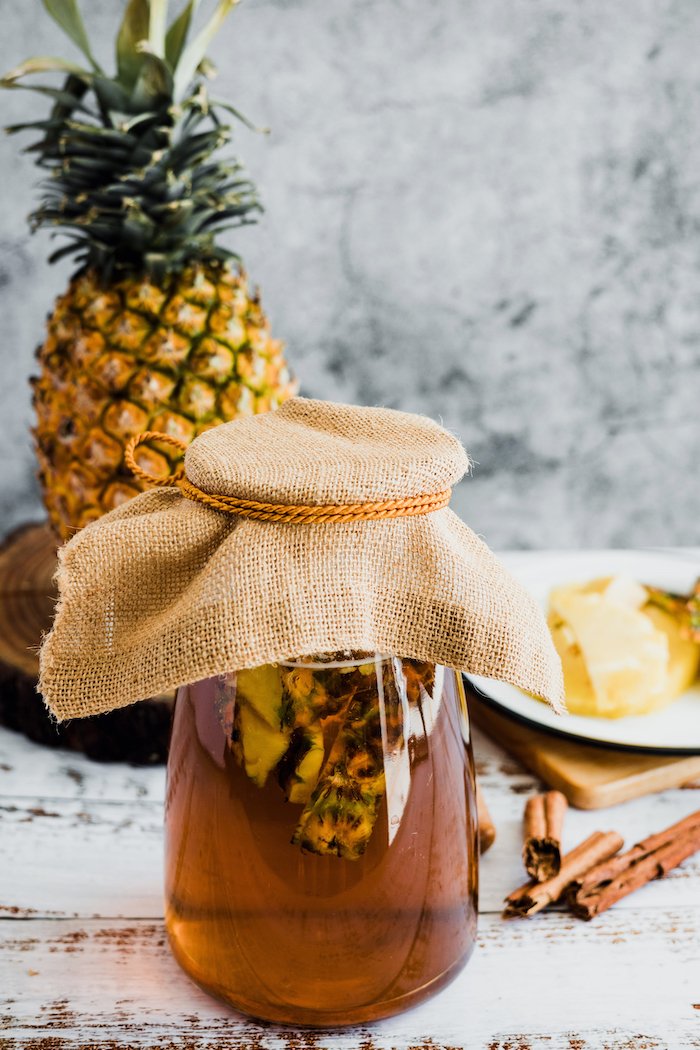
Tepache made with pineapple, panela and cinnamon
Made with pineapple, water, piloncillo, and spices such as cinnamon and cloves, tepache proves that complexity doesn’t always require sophisticated processes. Wild yeasts slowly transform the sugars, creating a light, slightly alcoholic beverage full of nuances.
Its sensory profile is built on harmonious contrasts: the vibrant acidity of the pineapple, the caramelized depth of the piloncillo, a natural effervescence that brings dynamism to the palate, and a delicate spiced finish that prolongs the experience.
Among the most renowned producers are artisanal projects in Nayarit, such as Tepache Sazón, produced in San Pancho, as well as initiatives in Querétaro and Oaxaca that keep techniques passed down through generations alive.
Coming Together
There are many opportunities to use these spirits in cocktails (see the sidebar for three examples). And occasionally they come together in one cocktail that combines the herbal depth of raicilla and the effervescent acidity of tepache.
Either way, cocktails made with raicilla and/or tepache not only taste like Mexico, but also tell a story of biodiversity, memory, and territory.
SIDEBAR: Tradition and Innovation Meet Behind the Bar
Today’s mixologists are embracing ingredients with distinctive identities, giving raicilla and tepache new opportunities to shine. Raicilla adds aromatic intensity and character, elevating classic cocktails with citrus, tropical fruit, herbs and spices. Tepache offers freshness, balance and complexity, pairing naturally with agave spirits, aged rums and bitters.
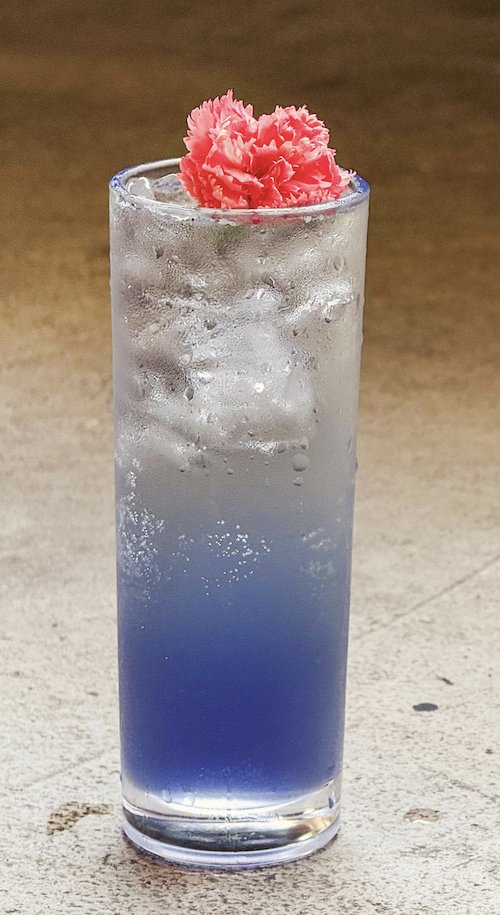
Luna cocktail at La Nacional in Chula Vista, California
Both give mixologists the chance to make cocktails that tell a distinctly Mexican story, and to introduce guests to traditional, century-old spirits that have stayed out of the spotlight for decades.
With more consumers seeking authentic experiences and information about the origins of what they drink, raicilla and tepache cocktails are earning a place on Mexican restaurant menus.
Examples include:
Cantina Rosa in Chicago offers the Jalisco’s Treasure made with raicilla, passion fruit, allspice, cinnamon, lemon — a drink the restaurant describes as “a cocktail that captures the heart of agave tradition in every sip.”
La Nacional in Chula Vista, California offers the "Luna" featuring La Venenosa Raicilla, ube, yuzu, and grapefruit. “A combination of Asian and Mexican flavors come together in this beautifully colorful cocktail. A less known spirit ‘raicilla’ is used as the base for this one, typically found in the outskirts of Jalisco and not available in most cantinas in the U.S.,” the online description says.
Superbueno in New York City creates seasonal tepaches. The version currently on the menu mixes blanco tequila, prickly pear and pulque tepache, and charred citrus sherbet. That version followed a tepache “built around the summer with blanco tequila, passion fruit & ginger tepache, and bitter orange sherbet,” the online description said.