
By Kathleen Furore
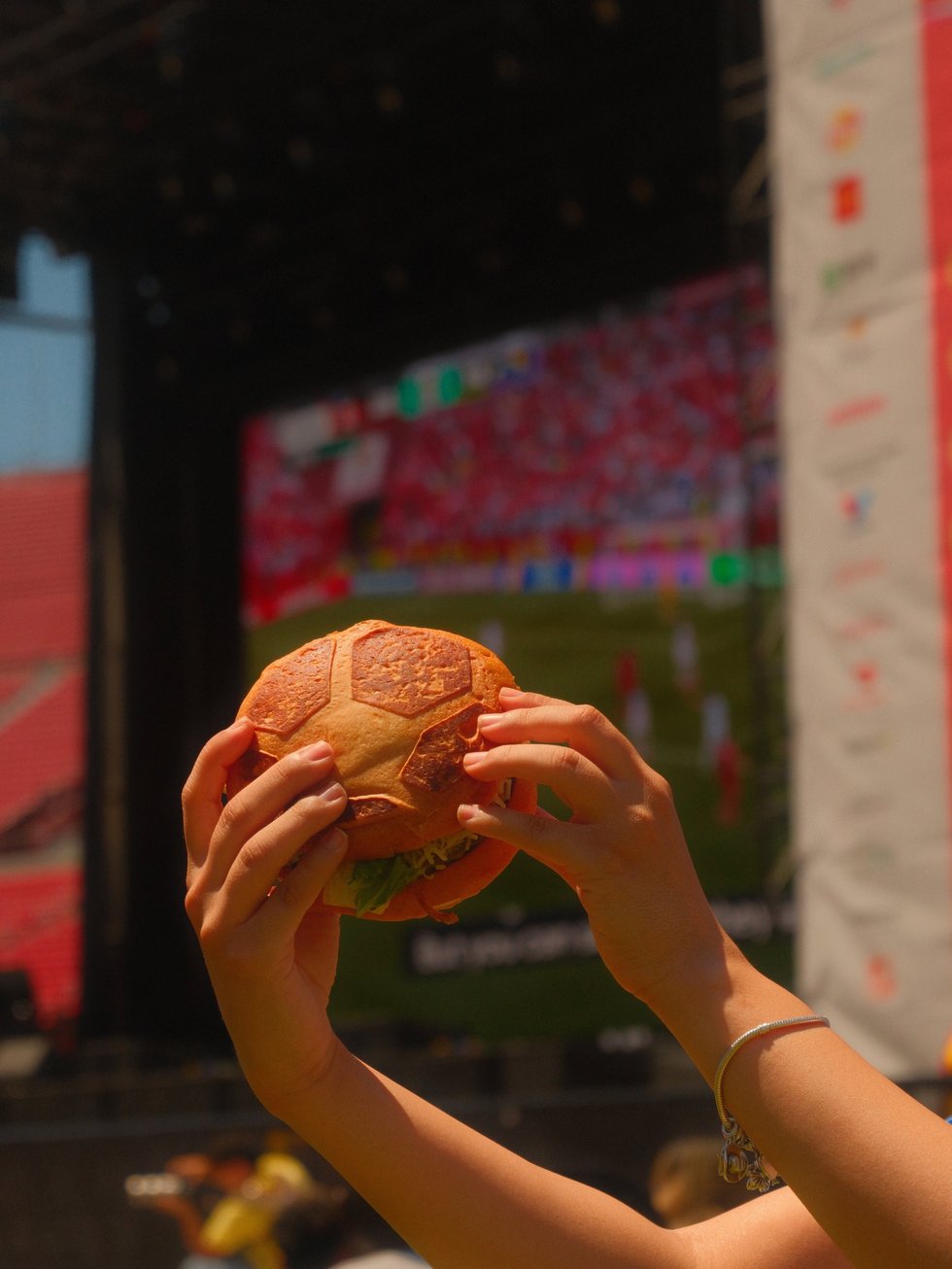
The Torta Mundial from Cuernavaca’s Grill
While Mexico lost its bid for a World Cup title on July 5, torta lovers in Los Angeles emerged victorious on the culinary front thanks to the Torta Mundial from Cuernavaca’s Grill.
Packed with beans, cheese, lettuce, tomato and avocado plus the customer’s choice of protein, the pressed sandwich was served on Cuernavaca’s signature soccer-themed bread at FIFA Fan Festival at the Los Angeles Memorial Coliseum and at the restaurant’s Fashion District location in Los Angeles throughout the tournament.
Just how did the idea for the soccer ball-shaped bread come to life?
“My dad has always had a saying, ‘food, family and fútbol.’ With the World Cup coming to our backyard and knowing there would be so many incredible Mexican restaurants participating, I knew we had to innovate something that would stand out while still capturing all the flavors of an authentic torta,” says Nayomie Mendoza, owner and culinary director of Cuernavaca’s Grill. “The bread immediately tells the World Cup story, but what keeps people coming back is what’s inside.”
Numbers Confirm It: Tortas are Trending
When Mendoza learned the restaurant would be part of the tournament’s culinary story, she and her team got to work scouting for just the right partner to pull off the sandwich-making feat.
“Supporting fellow small businesses has always been important to us, so we partnered with a local panadería to bring the sandwich to life,” she says, noting that they needed 40,000 tortas to meet demand.
“We knew we would be serving tens of thousands of fans throughout the tournament, so we worked backwards from attendance projections to determine production,” she recalls. “It took weeks of planning with our bakery, suppliers and kitchen team to make sure we could deliver that volume without sacrificing quality. Scaling from our restaurant to one of the world’s biggest sporting events was one of the most exciting challenges we’ve ever taken on.”
The challenge proved worthwhile: Mendoza says the Torta Mundial was incredibly popular, garnering kudos from fans, celebrities, and players alike.
“Throughout the tournament we welcomed fans from all over the world, many of whom discovered us for the very first time through the FIFA Fan Festival. We also took advantage of that momentum by inviting artists and creators to experience the Torta Mundial,” she reports. “Steve Aoki, Normani, Deorro and Mackenzie Sol from American Idol were just a few who helped champion it and share it with their audiences. And one of the coolest moments of this entire experience was having the Mexican National Team reach out to us. As lifelong fans, that was something we’ll never forget.”
What’s Driving the Trend
The need for a torta inventory 40,000-strong is a clear indication of how popular these traditional Mexican sandwiches have become.
The state of today’s current foodservice landscape shows why.
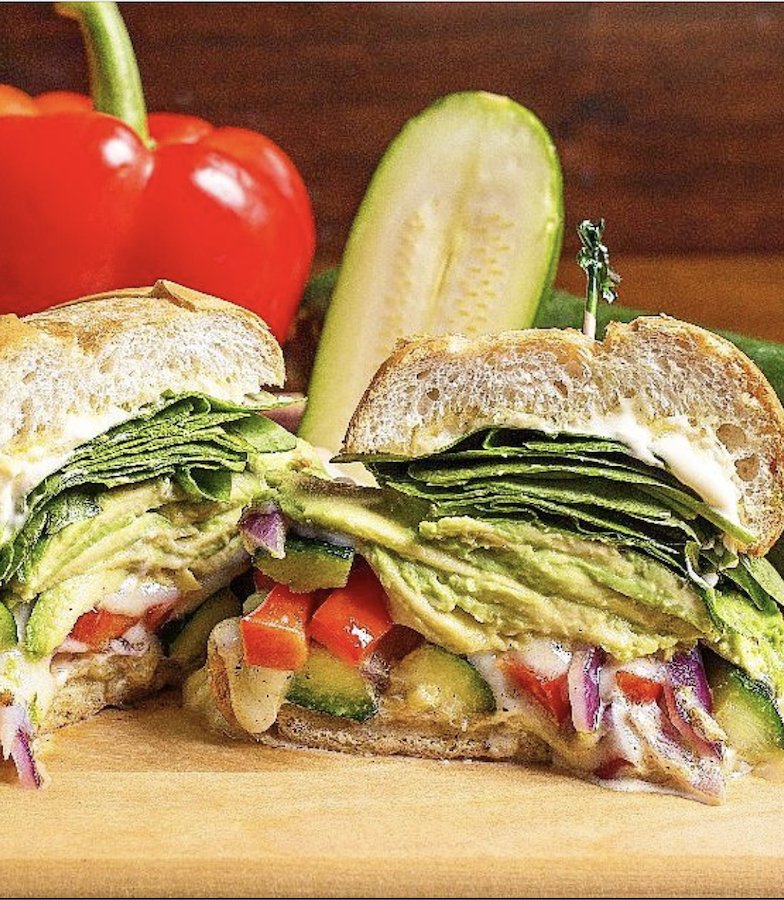
Calabacitas Torta
“In 2026, brands are taking their sandwich offerings to the next level in order to meet the evolving needs and palates of consumers around the world,” the Tastewise post “Sandwich Trends Around the World: Global Favorites of 2026” says. Those consumers are pushing for new and innovative twists, which is contributing to nearly 15 percent year-over-year growth in social media conversations about sandwiches, Tastewise reports.
The ”twists” they’re seeking include bold global fusion flavors, elevated artisan ingredients, premium breakfast upgrades, customizable options, and viral social media preparations when ordering sandwiches. Tortas check all of those boxes.
That versatility makes them ideal menu additions for quick-serve restaurants, family/sit-down restaurants and upscale establishments alike. And it is fueling the torta’s rise, says Pablo Urteaga, national category manager for Hispanic products at Performance Food Group (PFG).
“We’re seeing tortas a lot, not only in Mexican restaurants but also in bars and grills — all kinds of restaurants are developing them,” he says, pointing to the format’s range of meats, fillings, and sizes as key to its growing appeal.
Urteaga is such a strong believer in the torta’s place in Hispanic foodservice that he insists every Mexican restaurant should have one on the menu: “A Tex-Mex or traditional Mexican restaurant without a torta isn’t really a Mexican restaurant!” he says.
Building a Torta Menu
Tortas offer near-endless menu potential — from the classic Torta del Chavo (bolillo, ham, cheese, beans, mayo and avocado, named after the character in the Mexican sitcom El Chavo del Ocho) to loaded versions built on taco and burrito staples like birria, carne asada, and al pastor.
Mendoza taps that potential at Cuernavaca’s, where tortas have driven traffic for more than 21 years.
“While lunch is definitely our busiest time for tortas, they are popular throughout the day. They are one of those comfort foods people crave whether it’s noon or dinner time,” she says. Current customer favorites: Asada, Al Pastor, Carnitas, and Chile Relleno Tortas.
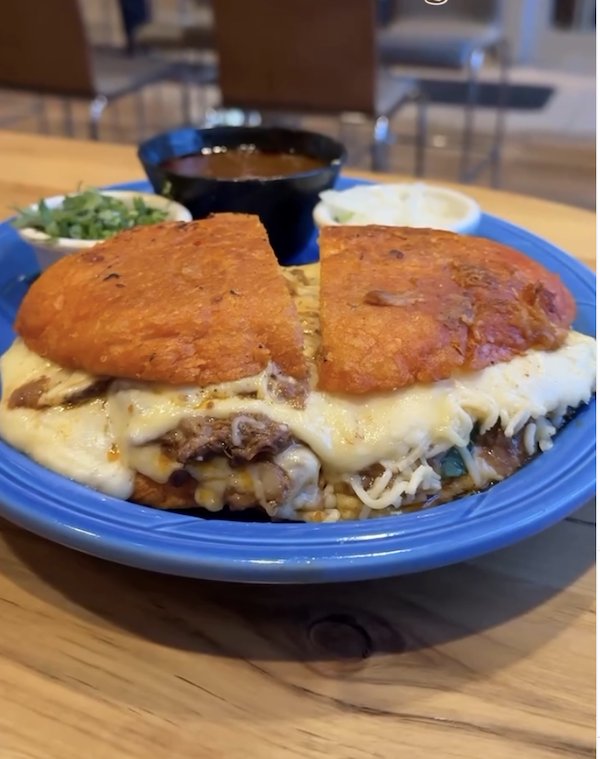
Birria Torta at Tecalitlan in Chicago
In Chicago, Tacotlan and Tecalitlan are both riding the birria wave with Birria Tortas. Tacotlan’s version earned a TikTok video, while Tecalitlan’s landed an Instagram shout-out from Chicago Food HQ that called the restaurant’s Birria Torta “a must for any ‘Chicago bucketlist.’” Tacotlan has also turned tortas into a seasonal draw — bunny-shaped bread for Easter, a shamrock-shaped “Lucky Torta” for St. Patrick’s Day, and gingerbread-shaped tortas at Christmas.
The takeaway? A torta menu isn’t just a lineup of sandwiches; it’s a canvas you can paint in myriad ways: Shape it seasonally, stack it with bold fillings, or let it tell a story. Just don’t build one just to check a box. “Don’t just add a torta because it’s expected. Find a way to make it your own while staying true to the flavors people know and love,” Mendoza says. “Great bread is essential, quality ingredients matter — and don’t be afraid to tell a story through your food. The Torta Mundial worked because it wasn’t just a sandwich. It created an experience. Guests don’t just remember what they ate. They remember how it made them feel.”
Click here for torta recipes on page 37.
Sidebar: Regional Renditions
Moving beyond the most common torta varieties is a good way to tempt customers looking for creative sandwiches with global flavors and interesting twists. Adding tortas that developed in regions throughout Mexico as part of each region’s street food culture is one way to do that. Three options to try:
• Torta Ahogada. Its name means “drowned sandwich” — and for good reason. This signature torta from Guadalajara is made with a crusty birote roll filled with pork carnitas, topped with raw or pickled white onions, then submerged a tomato-chile-based sauce.
• Torta Cubana. Mexico City is the birthplace of this torta that originated on Calle República de Cuba where vendors created the sandwich by tossing a multitude of ingredients into a soft bolillo or telera roll for hungry workers in the mid-20th century. It typically holds combinations of meats like ham, roasted pork and chorizo; melted queso Oaxaca or queso fresco; and lettuce, tomatoes, and pickled jalapeños. Mayonnaise, mustard and salsa are common condiments.
• Cemita. Originating in the city of Puebla, this torta is packed with a breaded beef, pork, or chicken cutlet (milanesa), queso Oaxaca, avocado, chipotle peppers, and pápalo (a local herb with a flavor described as a cross between arugula, cilantro, and citrus).
Sidebar: Latin Sandwiches, Yelp-approved
If you’re wondering about the potential tortas offer for your menu, consider this: Las Tortas Perronas , a torta shop with three locations in Houston, recently was named to Yelp’s Top 100 Sandwich Shops of 2025. And while they specialize in sandwiches other than tortas, two Latin-inspired sandwich shops also made the cut: Box of Cubans in Riverview, Florida, and Omarcitos Latin Cafe in Chicago.