
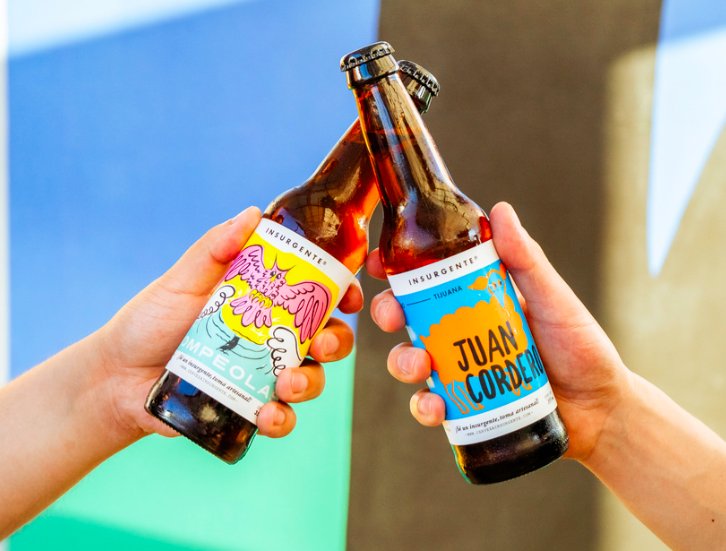
By Ed Avis
Casa Vega is a classic Mexican restaurant in Sherman Oaks, California with 70 years of tradition behind it. It’s no surprise then that second-generation owner Christy Vega insists on authenticity on the menu, including the beers they serve: Her selections are all Mexican brews, including “craft” beers from Baja Brewing in Cabo San Lucas, Mexico, and Calidad in Southern California.
“Just as we thoughtfully pair tequila, mezcal, and wine with our menu, craft beer brings another layer of flavor to the meal,” Vegas says. “Whether it’s a crisp lager with tacos or a more complex ale alongside richer dishes, the right beer can elevate the dining experience. It also reinforces that Mexican cuisine is incredibly diverse and sophisticated, and the beverage program should reflect that same level of care and craftsmanship.”
Craft Mexican beer — also called “emerging” beer— can add that little extra something that some customers appreciate.
“There are a number of Mexican restaurants that offer beautiful, authentic Mexican food, but when a client says, ‘Oh, and what do you have on draft for an IPA?’ they don’t have an authentic Mexican beer to go with it,” says Stephen Walker, president of Polaris Beverages, which imports a variety of beer from Mexico. “The Anglo palate is starting to crave more authentic Mexican craft beer, and it’s available.”
Availability By Market
So, what Mexican “emerging” brands can you get in the United States? If your restaurant is located near the border of Mexico, especially in Southern California, you have a wider selection than in other parts of the country, though restaurants located in major cities in other parts of the country do have a decent selection these days.
“Most of the breweries that export do so because of their proximity to the border,” says Francisco Olachea, an instructor on the topics of beer and distilled beverages for Asociación de Sommeliers Mexicanos in Mexico City.
According to Olachea, the brands that sell the most — though not necessarily in this order of importance or volume — are:
- Cervecería Minerva (Zapopan, Jalisco)
- Cervecería de Colima (Cuauhtémoc, Colima)
- Cervecería Allende (San Miguel de Allende, Guanajuato)
- Cervecería Wendlandt (Ensenada, Baja California)
- Cervecería Aguamala (Ensenada, Baja California)
- Cervecería Fauna (Mexicali, Baja California)
- Cervecería Rrëy (Monterrey, Nuevo León)
- Compañía Cervecera Hércules (Querétaro, Querétaro)
- Cervecería Primus (San juan del Rio, Queretaro)
- Cervecería Buqui Bichi (Hermosillo, Sonora)
- Baja Brewing Company (Los Cabos, Baja California Sur)
“There are others, but these are the ones that have maintained a consistent presence and popularity in the U.S. markets,” Olachea explains.
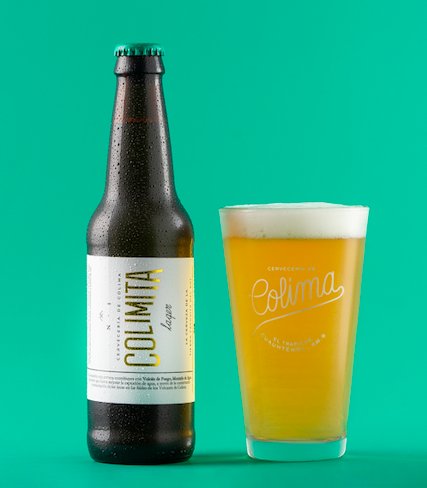
Colimita is a crisp pilsner from Cerveceria de Colima that has established itself in Southern California, explains Luis Peréz, purchasing and export manager for the brewery.
“We’ve focused our growth on establishments that value quality, authenticity, and origin,” Peréz says. “Our main market is San Diego, where the beer is available at restaurants, bars, and independent bottle shops that share an affinity for Mexican cuisine and culture. We also have a presence in Orange County and Los Angeles, including contemporary Mexican restaurants, specialty stores, and select retail chains, as well as distribution along the Central Coast and in Northern California.”
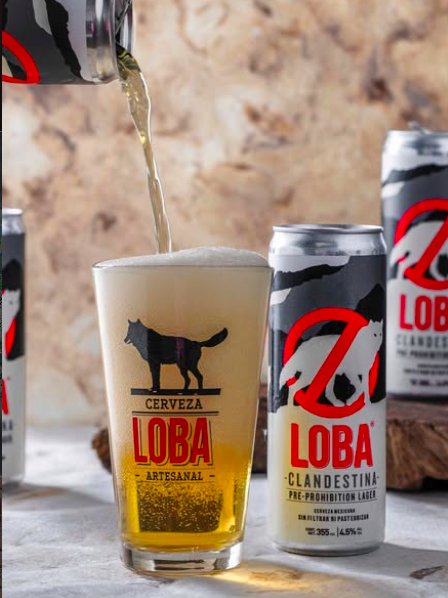
Colimita is imported by Polaris, which also handles Cervecería Rrëy, Cervecería Wendlandt, Cerveza Loba, and Insurgente, among others. In addition to importing beer brewed in Mexico, Polaris handles contract brewing in Southern California for Insurgente, Wendtlandt and Loba, a practice that took off during COVID and has continued as a way to more economically produce those beers with the same procedures and ingredients.
Do Mexican craft beers sell well? Yes, Walker says, but the market has not been booming.
“The niche is growing. It was growing faster than the (U.S.) craft beer movement, but we were working off of a very small base, so that’s an easy thing to do,” Walker says. “As the (U.S.) craft beer movement has started to slow or even recede a little bit, we have continued growing very slowly. We are very small compared to the craft beer movement in general, so it’s not hard for us to keep growing, but just by adding new placements. It’s not necessarily that drinkers are drinking more of it, it’s just that they’re being offered in more places.”
What Restaurants are Buying
Nearly every Mexican restaurant carries Corona and Modelo, but when it comes to craft beers, there is no super-popular brand that everyone carries, Walker says.
“It really depends on what any particular account is looking for,” he explains. “They may say, ‘Even though you guys have some really nice imported lagers, we’re going to fill our lager needs with the macro brews, whether it’s Modelo or Corona or whatever. But we would really like to have some more crafty beers from Mexico and that we would like to fill with the imports.’ Or they might say, ‘We’ve got a lot of clientele that are tired of the Modelo, Corona and Tecate, and we would like to continue to have a light offering, like 4 or 5 percent. So, we’ll sell them the lighter (Mexican emerging) lagers or goses [salty-sour German beers] or whatever.”
Regardless of which brews a restaurant decides to menu, the typical serving formats are all available. Polaris offers Cervecería Rrëy beers in 12-ounce bottles and five-gallon kegs, and the rest of his brands come in five-gallon and 15.5-gallon kegs and 16-ounce cans.
His biggest sellers to restaurants are kegs.
“It is predominantly draft in the restaurants, though there are restaurants that prefer package, particularly higher end Mexican restaurants,” he says. “Some of them prefer the Rrëy lager and dark lager in a bottle. There is still a perception in a lot of places that a glass bottle is the way that Mexican beer is drunk, and it looks a little bit more elegant on the table than a can.”
Mexican Style, Brewed in America
Good Mexican beer does not all come from Mexico. Just like Polaris brews some bona fide Mexican brands in Southern California, so do a number of American brewers make good Mexican-style beer. Some are available widely in the United States; others are just local.
Mexican Logger, a 5 percent ABV lager by Ska Brewing Company in Durango, Colorado, is one example. Others include Chicago-brewed Beer for Tacos, a gose-style beer with lime juice and salt from Off Color Brewing; and Buenaveza Lager from Stone Brewing, which is available nationwide.
Four Corners Brewing in Dallas, Cruz Blanca in Chicago, and Calidad in Los Angeles are among the many smaller craft breweries that specialize in Mexican-style beers.
Regardless of where you source Mexican-style brews, your customers should appreciate the touch of authenticity on your menu.
“Mexican craft beer has exploded in quality and creativity over the last decade, and it’s exciting to introduce our guests to breweries they may not have discovered otherwise,” says Vega from Casa Vega. “It gives people another way to experience the depth and evolution of Mexican culinary culture.”