
By Natalia Otero
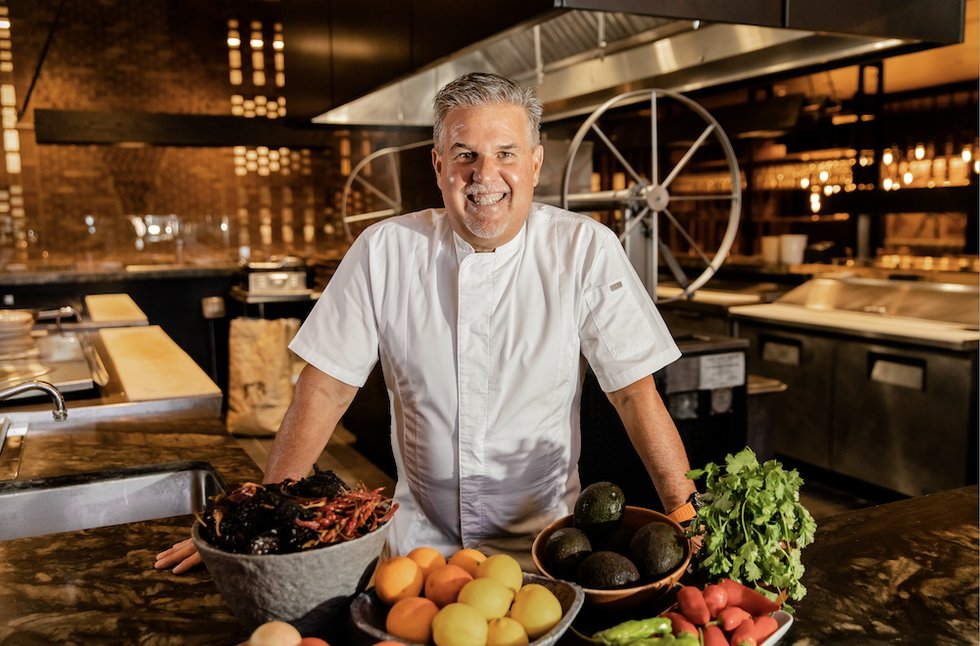
Few chefs have shaped modern Mexican cuisine on a global scale quite like Richard Sandoval. As the founder of Denver-based Richard Sandoval Hospitality, this award-winning chef has spent decades translating his passion for Latin cuisine into a company with more than 60 restaurants spanning four continents, 13 countries and ten U.S. states — each focused on modern and coastal Mexican, Latin-Asian, Peruvian and/or Pan-Latin cuisines.
His career has been defined not only by culinary excellence, but by an ability to listen, evolve, and lead with purpose. That philosophy is now deeply embedded in Old Ways, New Hands, an initiative that reflects Sandoval’s commitment to mentorship and legacy.
The program’s goal is to support the next generation of Latin chefs, creators, and restaurateurs who are building businesses at a time when cooking is inseparable from branding, technology, and cultural storytelling. The program offers participants access to tools and resources designed to sharpen business as well as cooking skills and culminates in an all-expense paid international trip that includes dining at the chef’s restaurants, exploring local markets, and attending culinary and business workshops that Sandoval teaches.
We talked with Sandoval about how the next generation’s path differs from his own, the realities of opening restaurants across the globe, and what it will take for the industry to thrive in the years ahead.
el Restaurante: The young chefs in your Old Ways, New Hands program are just beginning their careers. How do you think their professional paths will differ from yours, given today’s technological, political, cultural, and economic landscape?
Sandoval: When I started my career, the focus was almost entirely on the kitchen. You learned through repetition, travel, and time. Today’s young chefs are entering a world that requires them to think far beyond the stove. In Old Ways, New Hands, I see founders like Alejandro Macías and Jennifer Camacho of Qué Sazón Foods, Norma Zúñiga of Dulce Dreams Café, and Fernanda Sampson-Gómez of Celzo building businesses that require fluency in branding, finance, digital platforms, and storytelling alongside culinary craft. Their paths will be more complex and more visible, but also more entrepreneurial. What matters most is that they stay grounded in culture and tradition while using modern tools to build sustainable futures.
ER: You have many restaurants outside the United States. What unique challenges do you face when opening a restaurant in regions such as the Middle East or North Africa, compared to the United States?
Sandoval: The biggest difference is the need for cultural translation. In the United States, systems and guest expectations are familiar. In the Middle East or North Africa, every project requires deeper listening and collaboration. From sourcing and supply chains to dining customs and service style, success depends on respecting local culture while thoughtfully introducing your culinary point of view. You cannot simply replicate a concept. You have to adapt it with intention and humility.
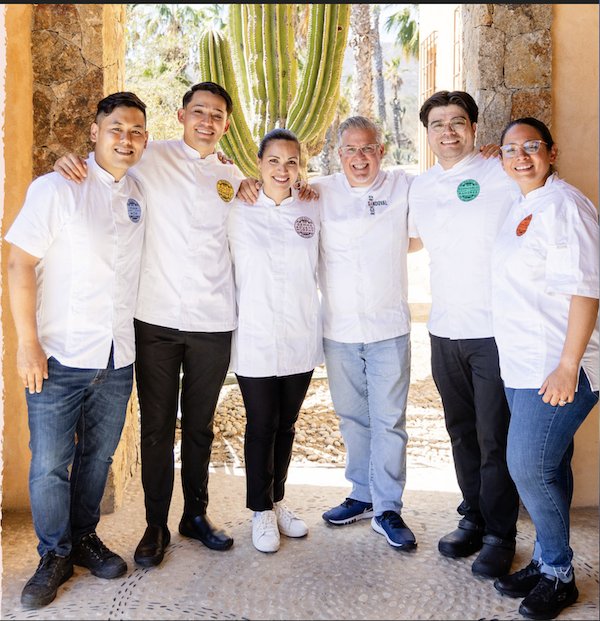
Old Ways New Hands 2024 participants
ER: When you travel outside the United States today, do you notice the effects of the current tense relationships between the U.S. and many other countries? Or do food and hospitality help ease those tensions in some way?
Sandoval: Food has always been a bridge. While global relationships can feel strained at times, hospitality creates a shared space where people connect as humans first. Sitting down for a meal encourages curiosity and understanding. In my experience, restaurants often become places where stories are exchanged and differences feel smaller, even if only for a moment.
ER: Labor issues, particularly those related to immigration, are a priority for many el Restaurante readers. Are these issues different in other countries?
Sandoval: Labor challenges exist everywhere, but they look different in each region based on local systems and workforce structures. What remains consistent is the importance of investing in people. Training, education, and clear pathways for growth are essential across all markets. When teams feel respected and supported, restaurants become stronger and more resilient, regardless of location.
ER: Where do you see the restaurant industry in five years? Given your extensive career, what do you believe restaurants should be doing now to still be thriving five years from today?
Sandoval: The restaurants that will thrive in five years are those built on purpose rather than trends. Technology will continue to evolve, but it should support the guest experience, not replace it. Sustainability, transparency, and authenticity will matter more, not less. Right now, restaurants should be investing in their teams, clarifying their identity, and building flexible business models that can adapt to change. Those who stay rooted in craft while remaining open to evolution will continue to grow.
In Old Ways, New Hands, Sandoval is doing what he has always done best: building bridges between generations, cultures, and ideas. It is a reminder that while tools and landscapes change, the heart of hospitality remains the same: respect for people, reverence for tradition, and the courage to evolve without losing your roots.
For more information about Old Hands New Ways, visit oldwaysnewhands.com.