
By Kathleen Furore
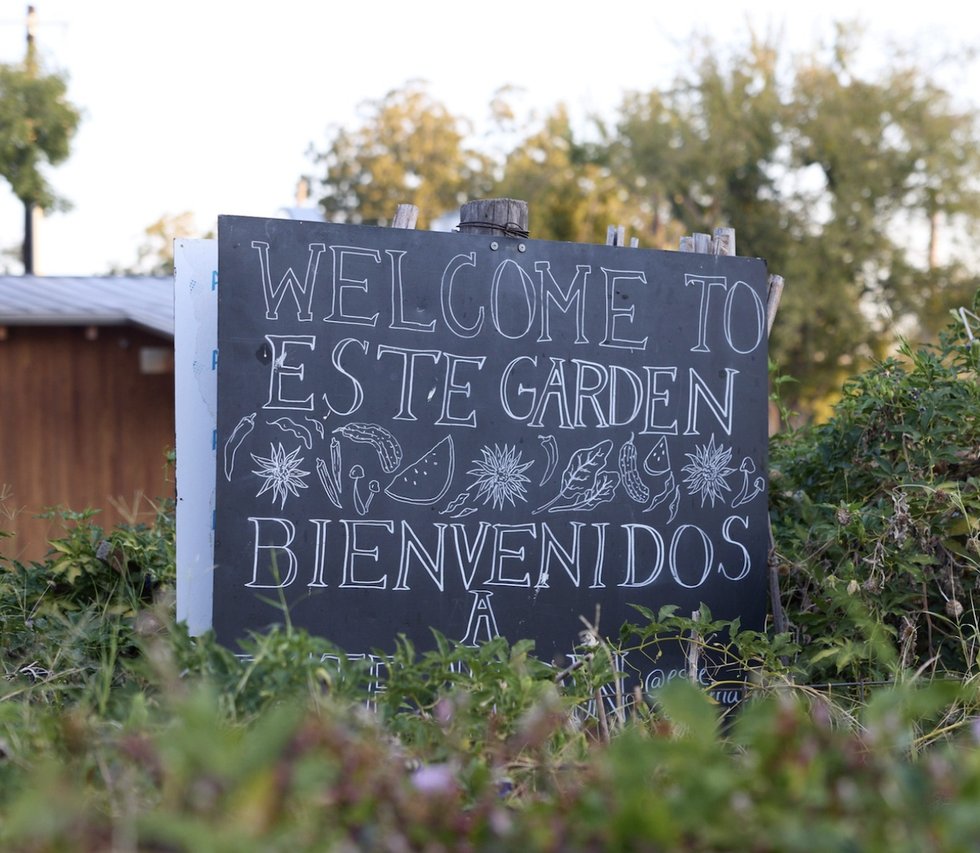
When diners visit Suerte and Este in East Austin, Texas, many of the dishes they enjoy feature produce from Este Garden — the sustainable urban farm in East Austin that supplies fresh, seasonal produce, herbs, and edible flowers to both of acclaimed Chef Fermin Núñez’s award-winning restaurants.
Set behind Este, the garden thrives thanks to Garden Manager Anamaria Gutierrez, who in 2020 with fellow farmer Lea Scott dug in to revive the overgrown micro farm at the former Eastside Café — the space that restaurateur Sam Hellman-Mass and Núñez transformed into Este in 2022.
Today, Este Garden produces thousands of pounds of produce in approximately a fourth-acre of space. A January Instagram post announcing that the team was “Starting off 2026 right with native plants” gave a peek into what the year will bring: That first planting included 15 species, six pollinator host plants, five edibles, three species important to native Texas bees, and two endemic Texas species.
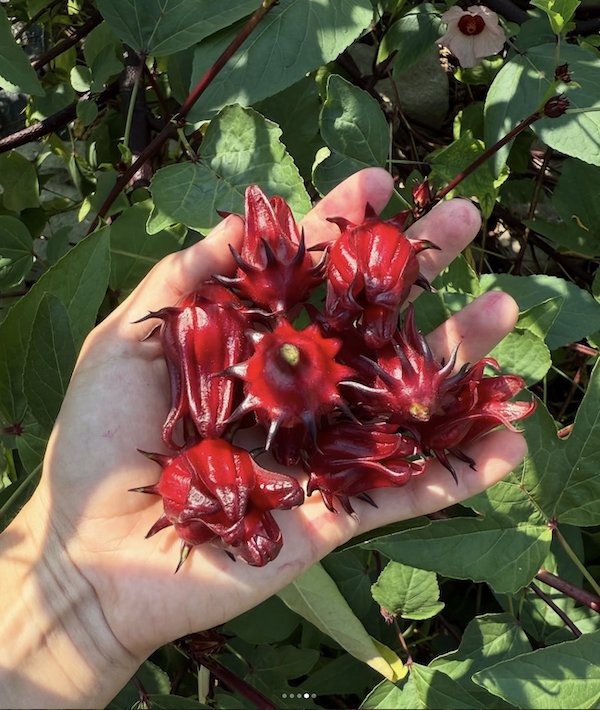
Past harvests have produced Habanadas (a heatless variety of the habanero), okra, Bloody Butcher red heirloom corn, and Flor de Jamaica (which was featured in the restaurants’ seasonal garden sorbet and tuna hibiscus aguachile).
While Este Garden’s approach to growing produce for Suerte and Este is the ideal, it isn’t the only way to take your own farm-to-table approach to sourcing. You don’t have to have a big plot of land or a comprehensive network of farmers and volunteers to grow fresh ingredients that ultimately end up in the dishes on your menu.
That’s something Chef Hugo Mendez of Epazote in Fort Lauderdale understands. When it comes to the epazote that flavors dishes like his sopa de tortilla and esquites, he relies on the supply grown at his small, family-owned restaurant. As Mendez explained to el Restaurante in a 2025 story about the herb:
“Since fresh epazote is scarce, we grow it ourselves to ensure it’s always fresh and authentic as possible. We grow it at the restaurant to give our dishes that real bold flavor I believe you just can't get from the dried version. Fresh is the only way to capture the earthy, funky kick that makes traditional Mexican dishes truly authentic.”
What are the Benefits of a Culinary Garden?
Imbuing any dish on your menu with the freshest flavor possible is the obvious perk to picking a sprig of cilantro for your salsa or epazote for your beans from an on-site garden. But there are other just-as-important pluses to cultivating your own produce, as the post “Growing a Culinary Garden for Your Restaurant” from WebstaurantStore notes. It represents the kind of transparent, sustainable sourcing today’s consumers increasingly demand; roughly 59 percent of Americans think it is important to know where their food originates, a 2025 survey from the International Food Information Council says.
Other benefits, according to “Growing a Culinary Garden for Your Restaurant”:
- A larger, more diverse stock. “When other restaurants are worried about recalls or shortages, you’ll still be fully stocked. You can also grow uncommon herbs that can give your dishes unique flavors!” the post notes.
- Cost-savings. “Maintaining a small herb garden costs less than buying the same produce in a store or market,” the post says.
- Less packaging, less waste in landfills, fewer carbon emissions from transporting product. Those benefits mean you can make sustainability part of your menu story and build lasting loyalty from environmentally conscious consumers.
Are you growing herbs and other produce on-site? Let us know and we’ll feature your garden at elrestaurante.com! Just email Editor Kathleen Furore at kfurore@restmex.com.
SIDEBAR: How Can Your Garden Grow?
Limited space? Not enough light? Tough growing climate? No staff to tend to those herbs and flowers you’d like to grow? That doesn’t have to stop you from growing at least some fresh produce to use in your restaurant kitchen.
These tips from WebstaurantStore’s “Growing a Culinary Garden for Your Restaurant” can help you get started:
- Try window boxes, rooftop gardens, or even planters on the fire escape. “It doesn’t take very much space to grow fresh vegetables and herbs because just a few planters can be used to grow a wide variety. The plants themselves will stay small because you’ll constantly be using the leaves for cooking,” the blog post says.
- Use planters and small culinary gardens. “Tomatoes, green beans, cucumbers, and peas are all great choices because they can be trained to run vertically up trellises, maximizing your space,” WebstaurantStore notes.
- Plant different herbs in the same bed or planter to save space. “The golden rule for growing herbs together is that you should only combine herbs that require similar conditions,” the WebstaurantStore story explains. “Always be sure to match up the growing information before you combine plants.” Rosemary, oregano, lavender, sage, marjoram, and thyme, for example, need drier soil and lots of sunlight, while parsley, basil, tarragon, and cilantro like a lot of water and can grow in shadier areas.
- Don’t forget the flowers. Edible flowers are a plating plus, and can add color and flavor to salads, desserts and cocktails — think violets and roses to garnish desserts and bright blue borage petals that taste like cucumbers and can be used in salads, “Growing a Culinary Garden for Your Restaurant” suggests.
Click here to go to the next article, Dressing Your Coctails with Rimmers and Garnishes